
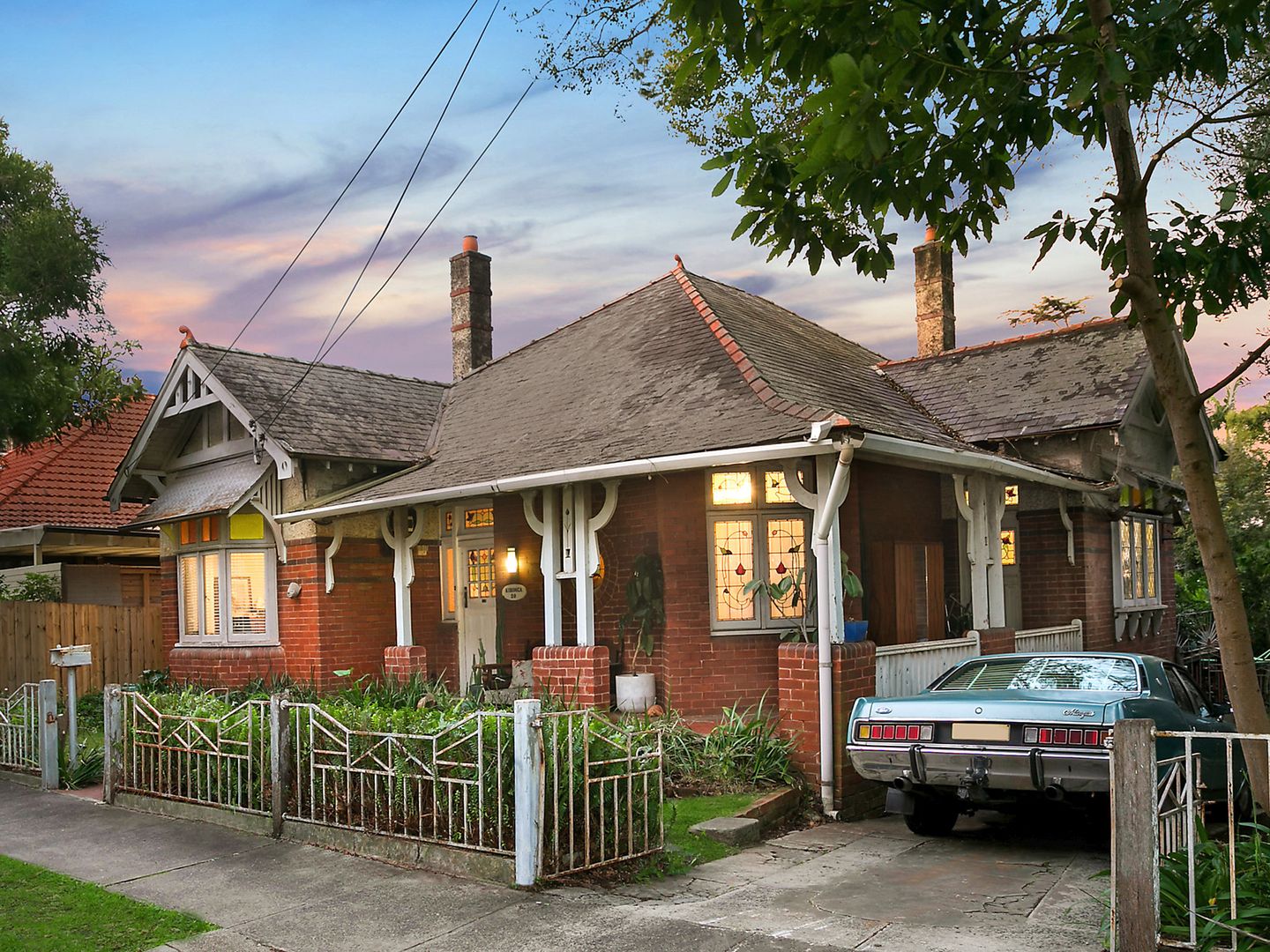

A savvy buyers agent in Dulwich Hill spends time deciphering subtle market trends and local nuances. An attractive mix of family-friendly streets, light rail conveniences, and changing development patterns drive the property market here. The following insights, data and expert opinions help reveal how these professionals pinpoint streets with hidden potential.
Understanding the Local Market Backdrop
Housing Prices and Market Trends
Dulwich Hill has seen a steady rise in property values over the past year. Current reports indicate that the median house price stands at approximately $2,350,000, up by 4% from the previous period. On the other hand, the median unit price has dipped by 5% to $880,000, offering contrasting opportunities for investors versus families looking for larger homes. A professional Dulwich Hill buyers agent can help navigate these trends to identify the best investment or purchase opportunities.
House prices in Dulwich Hill have surged notably, with growth rates surpassing the Sydney average by 24% over the last 12 months. Annual capital growth of about 7.70% highlights a robust interest in this suburb. This rapid appreciation signals confidence, yet it feeds into the narrative that there are still streets that might be undervalued in the broader market.
When analysing trends, buyers agents sift through volumes of data, comparing historical price dynamics with current shifts. They note that some areas continue to offer more value than their neighbours – an opportunity driven by local demand and supply factors.
Impact of Infrastructure Developments
Infrastructure projects play a crucial role in real estate dynamics. The Sydney Metro Southwest line now connects Dulwich Hill to the CBD in merely 15 minutes. This prime factor fuels the suburb’s attractiveness for buyers seeking fast commutes without compromising on the suburban lifestyle.
Connectivity improvements encourage accelerated growth in certain streets where public transport accessibility is superior. Buyers agents use these improvements as a yardstick to identify undervalued opportunities. By factoring in infrastructure advantages, they are better positioned to predict which areas are set for significant future gains.
The allure of the nearby light rail also features prominently in the analysis. John McGrath’s remarks on Dulwich Hill’s “attractive sleeper villages” underline the importance of connectivity in determining property value. Streets with easy access to these transport options are generally more alluring and may be priced higher over time.
Identifying the Hidden Gems: The Role of a Buyers Agent
On-the-Ground Research and Street-By-Street Analysis
Local expertise is essential when hunting for undervalued streets. A specialised buyers agent knows the neighbourhood intimately. They combine anecdotal evidence with hard data, investigating streets that might not yet mirror the broader market’s realised potential.
Each street in Dulwich Hill comes with its own rhythm. For example, family-friendly areas often feature spacious properties and attractive amenities. According to insights shared by Lloyd Edge, properties here appeal because of the generous yard sizes and quieter environments compared to more congested suburbs.
The process often begins with on-site visits, where agents immerse themselves in the character of the street. Observing community vitality, noise levels, and local upkeep offers a more nuanced perspective than statistics alone can provide. This local knowledge is the cornerstone of identifying hidden opportunity zones.
Analysing Recent Development Trends
One striking trend that buyers agents monitor is the volume of development applications. In Dulwich Hill, a notable 70% decrease in development applications over the past year has prompted worries regarding housing supply. A reduction in new projects could signal a stable market, but might also indicate areas where potential growth has stalled.
While some view these figures with caution, experienced professionals consider the broader implications. A slowdown in development may help preserve the character of certain streets, making them more desirable for families seeking stable, neighbourhood environments.
This holistic view, weighing market stability against the potential for future developments, allows buyers agents to pinpoint streets that, while currently undervalued, are poised for growth as demand outpaces supply.
The Methodology Behind Identifying Undervalued Streets
Data-Driven Decision Making
Every successful buyers agent leverages a robust set of data tools combined with local market expertise. By cross-referencing multiple reports and current statistics, agents isolate variables that can affect a street’s long-term desirability. For instance, comparing the median pricing trends of houses versus units in specific zones reveals which segments are more prone to appreciation.
Data analysis is a multi-step process. It involves evaluating current market prices, historical growth rates, and projected trends based on local socioeconomic modifications. This rigorous approach uncovers discrepancies where certain areas appear cheaper relative to their peers, suggesting potential for undervaluation.
Expert insights are also crucial. Opinions from industry professionals like John McGrath and Lloyd Edge shape the outlook. They point to the advantages conferred by local amenities, connectivity, and the overall lifestyle offered by Dulwich Hill. Such nuanced perspectives refine the data, ensuring that forecasts align with lived experiences.
Comparative Market Analysis
Comparative market analysis forms the backbone of property valuation. A buyers agent goes street by street, comparing properties with similar characteristics. This involves looking at the price per square metre, accessibility, property types, and community features. This comparative approach helps delineate what qualifies as undervalued in the shifting market landscape.
This technique brings forward streets that have not yet caught up with the dynamic growth seen elsewhere in Dulwich Hill. In particular, variations between house and unit prices serve as red flags. Streets where house prices continue to edge higher while unit prices remain stagnant might indicate unique opportunities for specific types of buyers.
Beyond numbers, agents also factor in land history. Streets with older yet character-rich houses often spark interest among families and investors alike. These areas, with their established reputation and community spirit, become prime candidates for future appreciation once they receive the necessary market attention.
Key Favourable Attributes of Undervalued Streets
Family-Friendly Environments
Dulwich Hill’s reputation as a family-friendly suburb is no secret. Streets boasting large, spacious properties and quieter surroundings offer a safe environment for children, encouraging a strong community feel. These features make them particularly attractive to families who value space and tranquillity.
Data suggests that the family-oriented nature of Dulwich Hill comes with additional perks. For one, the local schools and parks are often within a short walk. This proximity motivates a premium on well-established residential streets, even if understated at first glance.
Buyers agents recognise the subtle indicators of family appeal. From tree-lined avenues to well-maintained sidewalks and community playgrounds, each element contributes to an environment that helps support long-term value growth. Agents keep these features on their checklist while assessing undervalued streets.
Connectivity and Easy Access to Amenities
Another aspect that nudges a street into the ‘undervalued’ category is its connectivity. The recent introduction of the Sydney Metro Southwest line means that some streets now benefit from a significantly reduced commute to the CBD. A 15-minute link is a major selling point for professionals and families alike.
Overall accessibility is a vital determinant of long-term value. Buyers agents give considerable weight to the proximity of public transport hubs, shopping centres, and recreational facilities. When streets tick these boxes, they often grow in desirability, even if current prices have yet to reflect these advantages fully.
This connectivity has long-term implications. Even if a property is undervalued now, the combination of easy access and community amenities will create a ripple effect. Potential future price jumps are anticipated by forward-thinking buyers agents who understand the evolving market demands.
Local Insights and Future Projections
Anticipating Infrastructure and Urban Development
The evolution of a suburb is always a blend of immediate changes and longer-term forecasting. Dulwich Hill stands at the crossroads of several infrastructural developments. As the light rail and metro systems extend their influence, certain streets may become hotbeds of activity and, eventually, higher property valuations.
Industry experts counsel that keeping an eye on proposals and the pace of infrastructural progress is as crucial as looking at current statistics. The slowdown in the number of development applications signals shopping around for potential goldmines. Those that maintain community charm while offering upcoming modern conveniences rise to the top of the list for many buyers agents.
Envisaging future projections, a prudent buyers agent also factors in local government policies and urban planning documents. Understanding where the government intends to invest public money – from parks to public libraries or community centres – can help pinpoint streets with a bright future.
Balancing Data with Community Feel
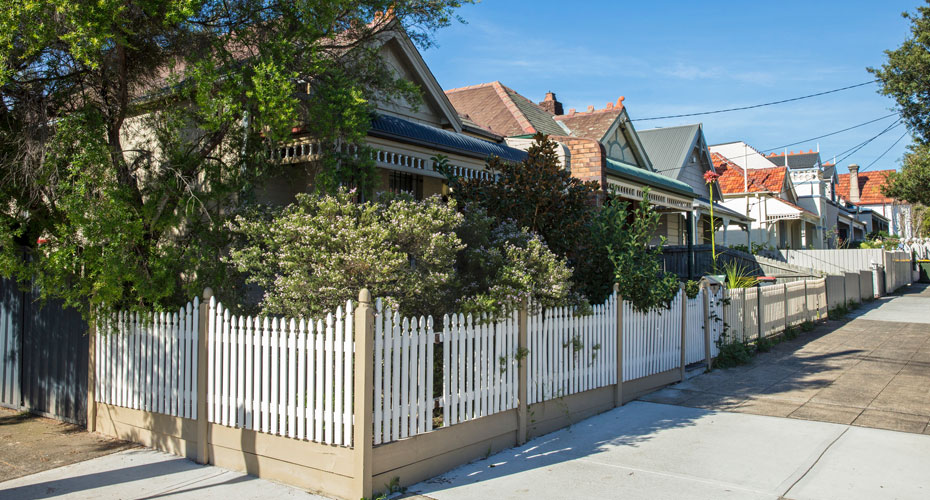
Data provides the compass but the community feel is the terrain. While statistical insights mark the trends, the on-ground character of a street ultimately determines its appeal. Agents frequently interact with residents, local businesses, and community groups to gather a fuller picture of street-level life.
This community sentiment plays a vital role in identifying undervalued segments of the market. Streets with active neighbourhood associations and vibrant local economies exhibit resilience in property values. Loyal residents, often the stewards of well-maintained streets, signal a stable and friendly environment that prospective buyers find appealing.
Young professionals and families alike lean towards vibrant, community-centric areas. While the market data shows upward trends, this empathy and local understanding provide an extra layer of assurance when recommending a particular street. The human factor, mixed with hard numbers, draws a robust picture of potential for undervaluation.
Navigating the Buying Process with a Buyers Agent
Customising the Search Based on Unique Priorities
Every client has distinct priorities. Whether it is proximity to quality schools, ease of transport, or the charm of historically rich streets, a buyers agent tailors property searches accordingly. This ensures that the streets they identify truly align with the buyer’s needs.
The customisation process begins with deep consultations, where agents listen intently. They explore what features matter most – space, connectivity, family orientation – and then work to identify streets that tick as many boxes as possible. The approach is as personalised as it is analytical, ensuring every property fits seamlessly into a client’s lifestyle vision.
This tailor-made approach is especially pertinent in a suburb like Dulwich Hill. Here, properties and streets offer diverse promises, and a generic one-size-fits-all method simply would not suffice. Instead, agents marry client expectations with the hidden gems lurking in the less obvious corners of the suburb.
Ensuring Clear Communication and Client Empowerment
Successful buyers agents prioritise clarity and openness in every interaction. Clients are updated frequently with market forecasts, comparative data, and tailored insights. Keeping everyone on the same page fosters trust and smooth decision-making. This transparent communication style helps alleviate any anxiety around investing in undervalued streets.
Enabling the client to access a deep well of market knowledge empowers them during negotiation. When both parties understand the data and appreciate the local context, making informed decisions becomes more straightforward. Buyers agents leverage their experience to translate complex market dynamics into clear, actionable strategies.
Regular updates and touchpoints ensure that clients remain well-informed as market conditions evolve. This proactive dialogue helps them decide when to act and which streets position themselves as the next big opportunity in Dulwich Hill.
Case Studies and Real-Life Success Stories
Transformations in Established Streets
Across Dulwich Hill, there exist examples of streets that were once considered quiet or undervalued only to experience accelerating growth after a thorough reappraisal. Areas that previously attracted modest investments have, over time, turned into lucrative opportunities as data and local trends shifted.
A particular street, known for its roomy family homes and verdant landscaping, recently caught the attention of a keen buyers agent. Critics had previously overlooked it due to the modest pricing compared to more trendy, centralised locations. However, a closer investigation revealed excellent school catchments and top-notch community facilities. As demand quickly picked up, property values rose as predicted.
This example mirrors many success stories where understanding local nuances – from aesthetic street appeal to upcoming infrastructure – yields massive benefits. The timely purchase in the early phases ensures a balanced investment that continues to grow in value.
Learning from the Unit Market’s Contrasts
Interestingly, the unit market in Dulwich Hill provides its own unique insights. With median prices dropping by about 5% over the past year, there is a noticeable contrast between the performance of houses and units. This divergence calls for a careful approach from buyers agents specialising in pinpointing hidden value.
In several instances, agents have identified strands where unit prices were lagging while the local housing market continued to gain pace. By examining the underlying reasons – whether it be over-saturation, lack of modern amenities, or less favourable locations – they provide clear advice on potential opportunities or pitfalls.
Clients choosing between houses and units receive tailored insights. Understanding the dynamics of each segment, alongside local street characteristics, allows for well-informed decisions regardless of the property type. This granularity in analysis creates a portfolio of opportunities that fit the specific appetite of every investor or home buyer.
The Strategic Reservation of Future Value
Predicting Long-Term Trends and Valuation Increases
Future value in real estate is often the product of persistence in market dynamics and the timely intervention of infrastructure improvements. In Dulwich Hill, certain streets are flagged as undervalued owing to their potential for long-term growth. Buyers agents take into account anticipated changes that might not yet be fully manifested in current property prices.
Long-term projections encompass rising capital values, demographic shifts and increasingly inclusive urban planning. The devotion to understanding these trends enables agents to recommend streets that carry potential for significant future growth.
This strategic foresight, built on the combination of concrete data and subtle market signals, allows clients to invest with confidence. The employment of a thorough, research-based approach makes sure that every identified street aligns with the predicted trajectory, offering an excellent balance of current affordability and future promise.
Managing Risk and Capitalising on Opportunity
Real estate is an investment that involves balancing potential gains with inherent risks. A buyers agent in Dulwich Hill carefully manages this tightrope act by using comprehensive data analyses blended with local insights. Identifying undervalued streets is part of a broader risk management strategy in literal and financial terms.
By comparing market trends, examining development patterns, and weighing the future promise of infrastructure, agents develop a holistic vision of market risk and reward. Clients benefit from this foresight, as subtle early-stage investments in underpriced streets can yield significant capital gains over time.
This layered understanding of risk underpins every recommendation. Whether a client is a seasoned investor or a first-time buyer, the methodical identification of promising streets ensures a balanced investment that minimises potential shocks whilst embracing future growth.
Enhancing Local Appeal and Community Engagement
Integrating Lifestyle Considerations with Property Investment
Property is rarely just bricks and mortar; it is intrinsically tied to a lifestyle. Buyers agents recognise that investment decisions in Dulwich Hill also rest on the quality of local life. Family-friendly streets with cosy cafes, community-run markets and accessible parks win frequent nods from both buyers and residents alike.
Local community initiatives, such as street fairs and farmers’ markets, add an extra layer of attractiveness to certain streets. These events not only enrich community spirit but also boost the desirability of neighbouring properties. As families seek environments where they can flourish, the importance of lifestyle integration cannot be understated.
Investing in a property within an inviting street often correlates with long-term stability. Buyers agents consider these lifestyle benefits when advising clients, ensuring that every street deemed undervalued also offers an enriching environment for day-to-day living.
Building a Reputation Through Local Partnerships
Trust is built on interactions, and local partnerships play a central role in the process. Many buyers agents work closely with community groups, local councils, and even neighbourhood watch organisations. These partnerships create a steady flow of insider information that sometimes reveals market signals before they become mainstream.
By engaging with these local networks, agents gain a more detailed picture of neighbourhood vibrancy and pending community developments. Information gathered from community forums or local events directly informs property evaluations, allowing for more accurately identified undervalued streets.
This strategy works both ways. Local residents benefit from the increased profile and potential revitalisation of their streets, while buyers enjoy the confidence of investing in a community-backed environment. Such symbiotic relationships help maintain Dulwich Hill’s appeal while also supporting nuanced, insightful property investments.
Practical Steps to Finding an Undervalued Street
Conducting a Thorough Street Audit
The journey to finding an undervalued street begins with a detailed audit. A comprehensive street audit includes researching past transaction prices, checking the property features, and understanding the local planning framework. Agents also evaluate the street’s aesthetic appeal, such as tree-lined pavements and the overall upkeep of properties.
Agents often create detailed checklists that include both quantitative metrics – like pricing and floor space – and qualitative factors such as architectural charm and community spirit. These lists serve as the basis for comparing similar streets and identifying those with hidden potential.
This in-depth, multi-faceted audit forms the bridge between raw market data and the more subjective elements of street appeal. It ensures that every potential opportunity is scrutinised from every angle before being recommended to prospective buyers.
Leveraging Technology and Local Networks
Modern technology offers a wealth of tools to complement traditional research methods. Buyers agents utilise property databases, market analytics software and geographic information systems to visualise trends and pinpoint promising streets. Real estate portals and interactive maps are instrumental when matching statistical trends with actual street conditions.
These tools enable agents to overlay infrastructure changes, demographic shifts, and local development data onto street-level maps. The visual representation helps in highlighting where undervalued opportunities dwell alongside well-connected transport nodes and upcoming projects.
Simultaneously, traditional local networks remain invaluable. Engaging with local estate agents, community boards, and residents provides insights that technology may miss. The blend of digital tools and human intelligence ensures a thorough, well-rounded approach to detecting undervalued streets in Dulwich Hill.
Conclusion: Acting on the Opportunity
Time-Sensitive Investment Decisions
The property market, particularly in dynamic suburbs like Dulwich Hill, often rewards timely decision-making. Streets that appear undervalued today might quickly adjust to reflect their inherent advantages once the market catches up. Buyers agents understand that timing can be as crucial as the property’s current value.
See Also: Buyers advocacy dulwich hill explained for growing families
