

What Is Scaffold Netting and Why Is It Essential for Preventing Wind Damage?
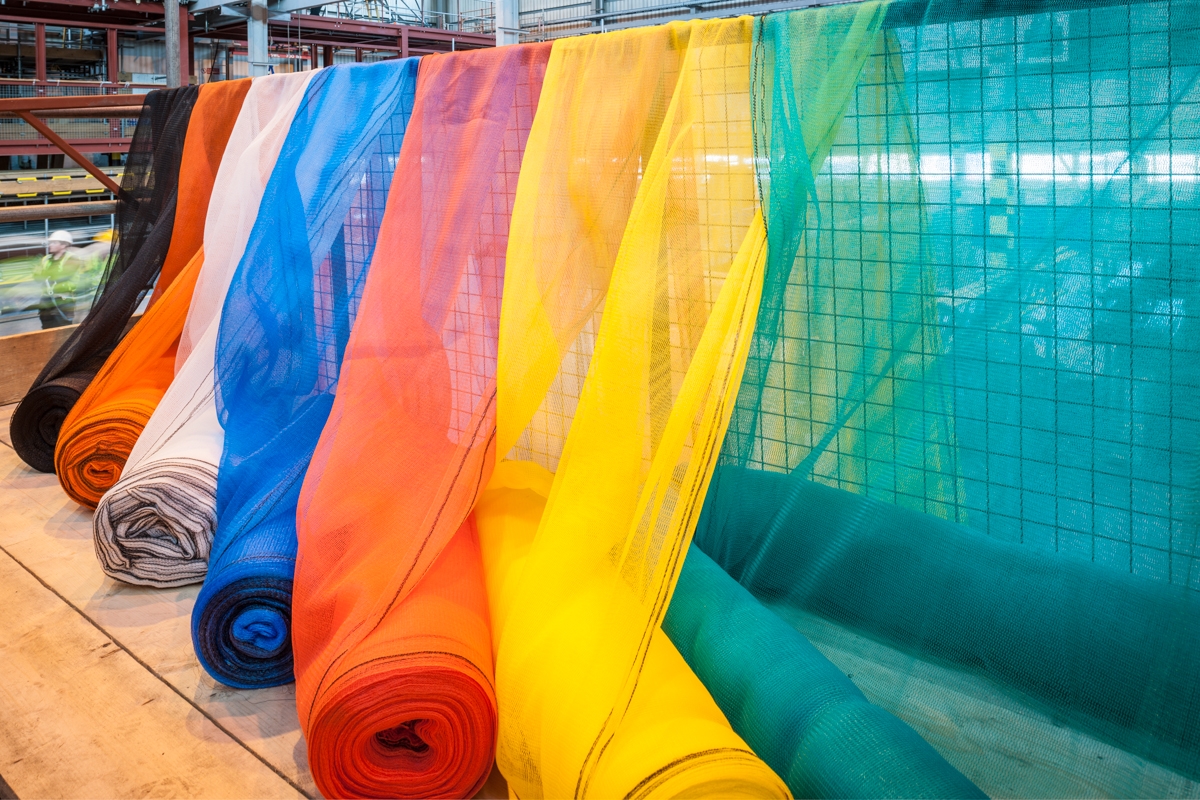
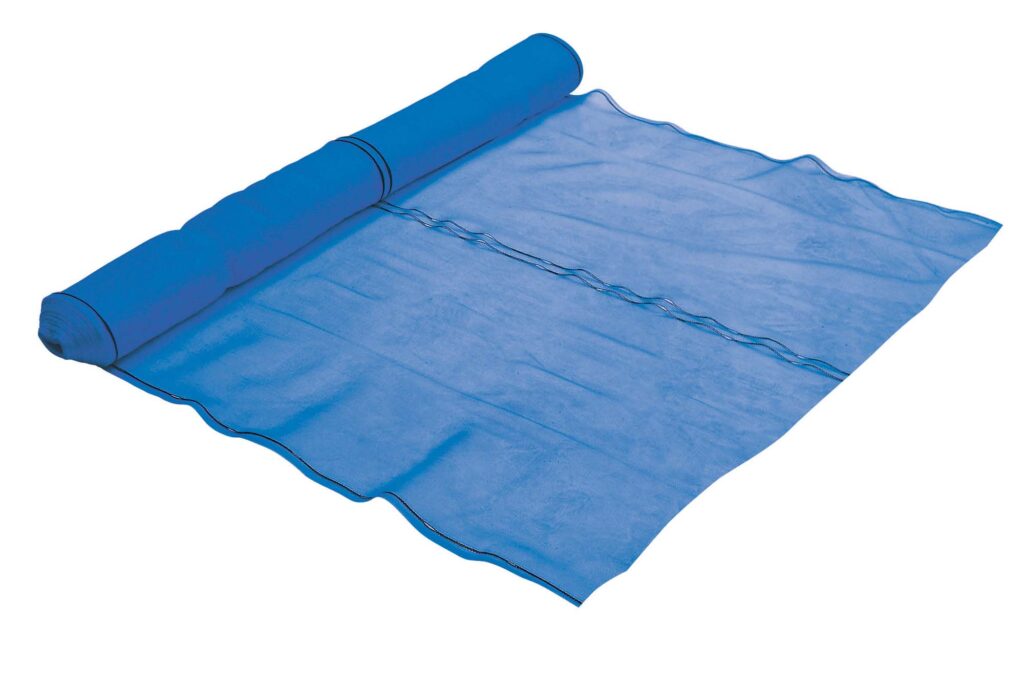
Scaffold netting is a specialized mesh material designed to enclose scaffolding structures on construction sites, serving primarily as a protective barrier against wind loads and environmental hazards. This construction site netting creates a semi-permeable shield that reduces wind pressure whilst allowing controlled airflow through the structure.
The protective barrier function works by intercepting wind forces before they impact the scaffolding framework directly. When strong gusts hit an unprotected scaffold, they create significant lateral pressure that can compromise structural stability. Installing scaffold netting helps distribute these forces evenly across the mesh surface, filtering approximately 35% of wind whilst maintaining essential ventilation. This controlled wind filtration prevents dangerous pressure build-up that could destabilize the entire scaffolding system.
Key protective benefits include:
- Worker safety enhancement – The netting catches falling tools, materials, and debris before they reach ground level, protecting personnel working below the scaffold
- Material security – Construction materials stored on scaffold platforms remain contained even during gusty conditions
- Debris containment – Dust, small particles, and construction waste stay within the work zone rather than spreading across the site or neighbouring properties
- Weather shielding – The mesh provides partial protection from rain and wind, allowing work to continue in moderately adverse conditions
The scaffold netting definition extends beyond simple wind protection. It functions as a multi-purpose safety system that addresses several construction site hazards simultaneously. Sites located in exposed areas or tall structures particularly benefit from proper netting installation, as wind damage protection becomes critical at elevated heights where wind speeds intensify.
Without adequate wind damage protection, scaffolding faces increased risk of structural failure, worker injuries from flying debris, and project delays due to weather-related shutdowns. Quality scaffold netting transforms these vulnerabilities into manageable risks through engineered wind resistance.
What Are the Key Features to Look for in High-Quality Scaffold Netting?
High-quality scaffold mesh features must prioritise durability as the foundation of effective wind protection. The netting should resist tearing even when subjected to repeated stress from strong gusts and physical handling during installation and removal.
UV resistance stands as a critical scaffold mesh feature that determines longevity. Materials lacking UV stabilization deteriorate rapidly under constant sun exposure, developing brittleness and losing structural integrity within months. UV-stabilised high-density polyethylene (HDPE) maintains its strength and flexibility across multiple seasons, preventing premature replacement costs and safety hazards from degraded material.
The balance between wind filtration and visual blockage separates professional-grade netting from inferior alternatives. Optimal specifications include:
- 35% wind filtration to reduce pressure on scaffolding structures whilst allowing sufficient airflow
- 30% visual blockage maintaining site visibility for supervisors and workers
- Breathable weave patterns preventing dangerous wind load accumulation
Reinforced edges with regularly spaced eyelets provide secure attachment points that distribute tension evenly across the netting surface. This scaffold mesh feature prevents stress concentration at fixing points, which commonly causes tearing during high-wind events.
Material weight matters for installation efficiency—lightweight yet robust netting reduces manual handling strain whilst maintaining protective capabilities. Quality manufacturers specify minimum breaking strength ratings, typically exceeding 1,500 Newtons per 50mm width, ensuring the netting withstands extreme weather conditions without compromising site safety.
How Does Scaffold Netting Reduce Wind Pressure on Scaffolding Systems?
Scaffold netting reduces wind pressure by allowing approximately 35% wind filtration through its mesh structure, which prevents the full force of wind from hitting the scaffolding directly. This controlled filtration creates a critical balance—the netting blocks enough wind to achieve meaningful wind load reduction whilst permitting sufficient airflow to prevent the material from acting as a solid sail that could destabilise the entire structure.
The mechanics behind this protection are straightforward. When wind encounters the netting, the mesh disperses and redirects air currents rather than creating a solid barrier. This dispersion significantly lowers the pressure exerted on scaffold poles, platforms, and connections. Without this filtration, scaffolding faces the full brunt of wind forces, which can exceed safe load limits and compromise scaffold stability.
Acting as an effective windbreak, the netting absorbs and deflects sudden gusts that pose the greatest risk to temporary structures. These unpredictable bursts of wind create dynamic loads that stress joints and fixings beyond their design capacity. The netting’s ability to dampen these impacts protects both the scaffolding framework and the workers operating within it.
Key protective functions include:
- Distributing wind forces across the entire netting surface rather than concentrating pressure on individual scaffold components
- Reducing lateral movement and sway caused by sustained winds
- Preventing sudden load spikes during gusty conditions that could loosen connections
Why Is UV Resistance Important in Scaffold Netting Materials?
Does prolonged sunlight exposure damage scaffold netting? Yes—unprotected materials deteriorate rapidly, becoming brittle and prone to tearing within months of installation.
Standard polyethylene breaks down when exposed to ultraviolet rays, causing the molecular structure to weaken. This degradation manifests as discoloration, reduced tensile strength, and eventual material failure that compromises wind protection capabilities.
UV-stabilised HDPE solves this problem through specialised additives that absorb harmful UV radiation before it penetrates the material. This chemical barrier prevents photodegradation whilst maintaining the netting’s structural integrity throughout extended outdoor use.
The benefits of UV-stabilised high-density polyethylene include:
- Extended operational lifespan of 3-5 years compared to 6-12 months for non-stabilised alternatives
- Consistent wind filtration performance without material weakening
- Reduced replacement costs and site disruption from frequent netting changes
- Maintained tear resistance even under harsh weather conditions
Proper scaffold netting installation how to prevent wind damage on site requires materials that withstand continuous sunlight exposure resistance. UV protection ensures the netting remains effective as a windbreak throughout the project duration, protecting both scaffolding systems and site personnel from weather-related hazards.
How Should Scaffold Netting Be Installed to Maximise Wind Damage Prevention?
Proper scaffold netting installation requires tight securing at all attachment points to prevent movement or dislodgement during high winds. Loose netting acts like a sail, catching wind and creating dangerous forces that can compromise scaffold stability or tear the material.
Reinforced edges and eyelets serve as the foundation for secure attachment. Quality scaffold netting features reinforced perimeter edges with regularly spaced metal or plastic eyelets, typically positioned every 30-50cm. These eyelets distribute stress across the material rather than concentrating force at single points, which prevents tearing during installation and use.
Secure Attachment Methods
The most effective scaffold netting installation tips include:
- Using appropriate fixings such as bungee cords, cable ties, or purpose-designed netting clips at every eyelet point
- Anchoring to scaffold tubes at multiple levels to create a grid-like support structure
- Overlapping sections by at least 15cm where multiple sheets meet, securing the overlap zone with additional fixings
- Starting from the top and working downward to maintain control during installation
Tension Distribution Principles
Even tension distribution across the entire netting surface prevents sagging and flapping that accelerates wear. The material should be pulled taut but not overstretched, as excessive tension weakens the mesh structure and can cause premature failure. Installers should check tension uniformity by inspecting for wrinkles or loose sections, adjusting fixings as needed to achieve consistent tautness throughout the installation.
In addition, it’s essential to ensure that all fasteners used in the installation are properly secured. For instance, using washers with your screws can distribute load and reduce the risk of damage to the netting material. Properly installed scaffold netting not only protects against wind damage but also ensures safety on site.
What Are the Safety and Environmental Benefits of Using Anti-Wind Scaffold Netting?
Anti-wind scaffold netting creates a physical barrier that traps airborne particles and falling materials, directly enhancing site safety improvement for workers and pedestrians below. The mesh prevents construction dust, small debris, and tools from escaping the work zone, reducing injury risks from falling objects.
Benefits for Site Safety
The combined protective effects create measurably safer working conditions. Workers experience:
- Reduced exposure to harmful dust particles and airborne contaminants
- Lower risk of injury from wind-blown debris or dropped materials
- Improved visibility within the work area despite weather conditions
- Enhanced confidence when working at height in windy environments
These safety features translate into fewer work stoppages, reduced accident rates, and improved productivity across the project timeline.
Benefits for Air Quality
Dust containment capabilities significantly improve air quality on and around construction sites. The netting captures fine particles generated during cutting, drilling, and demolition activities, protecting workers from respiratory hazards whilst maintaining cleaner surrounding areas. For more detailed strategies on managing dust in such scenarios, refer to this successful practitioner’s handbook.
Benefits for the Environment
Environmental impact reduction occurs as the barrier prevents construction materials from dispersing into neighbouring properties and public spaces. This containment minimizes pollution complaints from nearby residents and businesses, helping sites maintain compliance with environmental regulations. Such measures are crucial in mitigating the environmental impacts of construction.
How Does Proper Scaffold Netting Installation Keep Your Project on Track?
Scaffold netting installation delivers measurable protection against wind damage whilst safeguarding project timelines and budgets. Sites equipped with quality anti-wind barriers experience fewer weather-related delays, reduced structural repairs, and enhanced worker productivity.
The scaffold netting benefits summary extends beyond immediate wind protection:
- Prevents costly scaffold collapse or displacement during adverse weather
- Maintains continuous workflow by creating stable working conditions
- Protects materials and equipment from wind-driven debris damage
- Reduces insurance claims and liability risks associated with wind incidents
Preventing wind damage summary requires commitment to proper installation techniques, regular inspections, and quality materials that meet industry standards. Sites that prioritise these elements report significant reductions in weather-related incidents and maintain consistent progress regardless of seasonal conditions.
Ready to protect your construction site from wind damage? Invest in professional-grade scaffold netting and proper installation protocols to ensure your project stays on schedule and your team stays safe.
See Also: Scaffold Shade Cloth How to Reduce Heat Exposure for Workers.
FAQs on Scaffold Netting and Wind Damage Prevention
Scaffold netting is a protective mesh barrier designed to enclose scaffolding structures. It helps reduce wind pressure, prevent debris from falling, and enhance safety for workers and pedestrians around the site.
Scaffold netting reduces wind damage by allowing about 35% of wind to pass through its mesh. This controlled filtration disperses wind forces evenly across the surface, preventing dangerous pressure build-up that could destabilise scaffolding.
The most reliable scaffold netting is made from UV-stabilised high-density polyethylene (HDPE). This material is strong, flexible, and resistant to sunlight degradation, maintaining effectiveness for several years even under harsh conditions.
UV resistance prevents the netting from becoming brittle or tearing after long-term sunlight exposure. Non-UV-stabilised materials can deteriorate within months, while UV-stabilised HDPE netting lasts 3–5 years with consistent performance.
For optimal performance, scaffold netting should be tightly secured at all eyelet points using bungee cords or net clips. Overlap sections by at least 15 cm, start from the top, and maintain even tension to avoid flapping or sagging.
Scaffold netting improves safety by:
Catching falling tools and debris
Reducing wind-blown hazards
Limiting dust exposure
Protecting workers and pedestrians below the work area
