
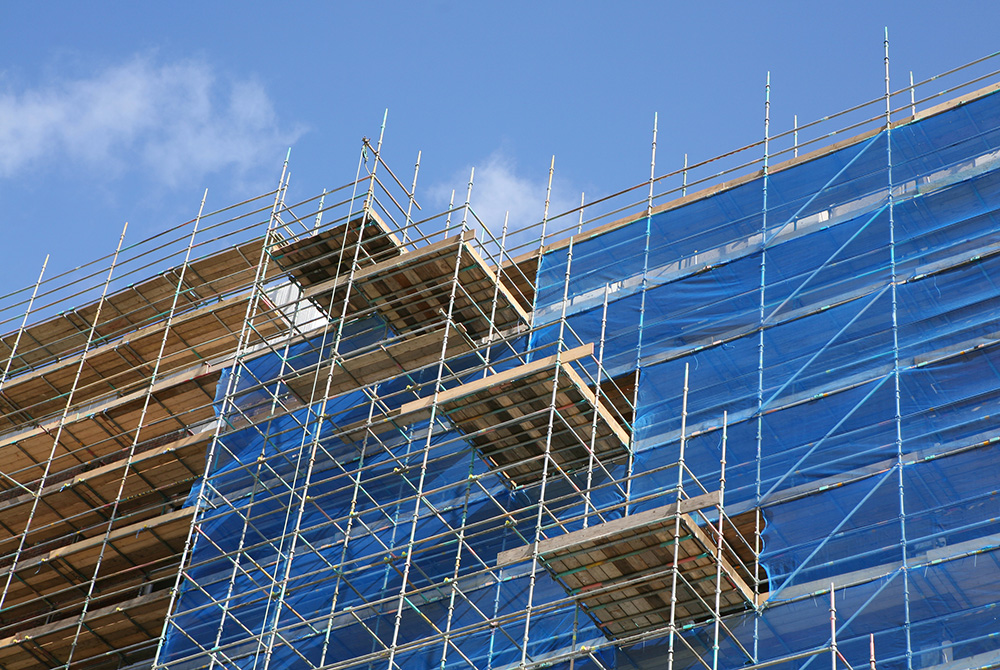

What is Scaffold Shade Cloth and How Does it Work?
Scaffold shade cloth is a protective fabric barrier installed on scaffolding structures to shield workers and materials from harsh environmental conditions. Manufactured primarily from high-density polyethylene (HDPE), this UV-resistant fabric creates a physical barrier between construction workers and the elements whilst maintaining adequate airflow for comfort.
Understanding Scaffold Shade Cloth Materials
The foundation of effective scaffold shade cloth lies in its construction material. High-density polyethylene (HDPE) serves as the primary component due to its exceptional durability and weather resistance properties. This synthetic material undergoes UV stabilisation treatment during manufacturing, enabling it to withstand prolonged sun exposure without degrading or losing its protective qualities.
HDPE scaffold shade cloth offers several material advantages:
- Lightweight construction that doesn’t add significant load to scaffolding structures
- Tear-resistant properties that maintain integrity in high-wind conditions
- Chemical resistance protecting against common construction site contaminants
- Anti-fungal treatment preventing mould growth in damp environments
The weave pattern of HDPE fibres determines both the shade cloth’s strength and its ability to filter sunlight whilst permitting air circulation. This knitted structure allows the material to flex without tearing, making it ideal for dynamic construction environments where wind and movement are constant factors.
Blockout Percentages and Their Impact
Scaffold shade cloth comes in three standard blockout percentages: 50%, 70%, and 90%. Each percentage represents the amount of solar radiation the fabric blocks, directly impacting both sun protection levels and airflow characteristics.
50% blockout cloth provides moderate sun protection whilst maximising ventilation. This option suits mild climates or projects requiring maximum airflow, blocking approximately half of incoming solar radiation. Workers benefit from reduced glare and heat without compromising air circulation.
70% blockout cloth strikes a balance between protection and breathability. This mid-range option blocks the majority of harmful UV rays whilst still allowing sufficient airflow to prevent heat accumulation behind the barrier. Construction sites in temperate climates typically opt for this specification.
90% blockout cloth delivers maximum protection against solar radiation, blocking nearly all direct sunlight. This heavy-duty option proves essential in
How Does Scaffold Shade Cloth Reduce Heat Exposure for Workers?
Scaffold shade cloth creates a physical barrier between workers and direct sunlight, intercepting solar radiation before it reaches the work surface. The fabric absorbs and reflects heat energy, preventing it from converting into ambient warmth within the scaffolding structure. This heat reduction mechanism can lower temperatures by up to 15°C compared to unshaded areas, transforming potentially dangerous work environments into tolerable conditions.
The science behind ambient temperature lowering relies on the cloth’s ability to interrupt the sun’s thermal transfer. When solar rays strike the HDPE material, the tightly woven fibres scatter and deflect the energy rather than allowing it to penetrate. This process stops heat from accumulating on metal scaffolding components, which would otherwise absorb warmth and radiate it back towards workers throughout the day.
Solar Radiation Blocking Capabilities
High-grade scaffold shade cloth blocks between 70-90% of harmful solar radiation, depending on the blockout percentage selected. This solar radiation blocking capacity directly correlates with protection levels:
- 70% blockout: Suitable for moderate climates, allowing some natural light whilst reducing heat by 10-12°C
- 80% blockout: Balanced protection for variable weather conditions, achieving 12-14°C temperature reduction
- 90% blockout: Maximum defence against intense sun exposure, delivering the full 15°C cooling effect
The blocked radiation never reaches workers’ skin, eliminating the primary cause of heat stress and sunburn on construction sites. Direct sun exposure can raise perceived temperatures by 8-10°C beyond actual air temperature, making a 30°C day feel like 40°C to unprotected workers.
Prevention of Heat-Related Health Issues
Heat stress occurs when the body cannot cool itself effectively, leading to dangerous conditions like heat exhaustion or heat stroke. Scaffold shade cloth prevents this cascade by maintaining cooler ambient temperatures that allow natural perspiration to regulate body temperature. Workers remain within safe thermal thresholds even during extended shifts in summer months.
Sunburn risk drops dramatically under proper shade cloth coverage. UV radiation—responsible for skin damage and long-term health complications—cannot penetrate quality HDPE materials. This protection proves especially critical for workers on upper scaffold levels where
What Are the Safety Benefits of Using Scaffold Shade Cloth on Construction Sites?
Scaffold shade cloth transforms construction sites into safer workplaces by creating a physical barrier against multiple hazards that threaten worker safety daily. The fabric’s protective properties extend beyond simple shade provision, addressing critical health risks that can lead to serious injuries, long-term health conditions, and reduced productivity.
Comprehensive UV Protection for Long-Term Health
Quality scaffold shade cloth blocks up to 95% of harmful ultraviolet radiation, providing essential UV protection for workers who spend extended periods outdoors. Australia’s intense sun exposure makes construction workers particularly vulnerable to skin cancer, with studies showing outdoor workers face three times the risk compared to indoor employees.
The protective barrier created by shade cloth:
- Reduces direct UV exposure during peak sunlight hours (10am-3pm)
- Prevents cumulative skin damage that leads to premature ageing and melanoma
- Minimizes eye strain and potential cataracts from prolonged UV exposure
- Decreases the risk of heat-related illnesses that hospitalise hundreds of construction workers annually
Workers protected from UV radiation demonstrate improved focus and stamina throughout their shifts. Sites using high-grade shade cloth report fewer instances of heat exhaustion, with some contractors noting up to 40% reduction in heat-related sick leave during summer months.
Fire Retardant Properties That Meet Critical Standards
Fire retardant scaffold cloth compliant with AS 4389 provides essential protection on sites where hot works occur regularly. This Australian standard ensures the fabric self-extinguishes when exposed to flames, preventing fire spread across scaffolding structures.
The fire retardant treatment involves:
- Chemical additives integrated during manufacturing that resist ignition
- Self-extinguishing properties that activate within seconds of flame contact
- Minimal smoke production to maintain visibility during emergencies
- Compliance certification that satisfies insurance and regulatory requirements
Sites conducting welding, grinding, or cutting operations face constant fire risks. Standard shade cloth without fire retardant properties can ignite rapidly, creating dangerous situations where flames travel across scaffolding in minutes. Certified fire retardant materials contain the risk, giving workers time to respond safely.
Protection Against Molten Metal Splatter
Welding and hot cutting operations generate molten metal splatter as a byproduct. This hot debris poses a significant threat to both workers and surrounding equipment if not properly managed.
Fire retardant scaffold shade cloth acts as an additional layer of defence against molten metal splatter:
- High-temperature resistance prevents ignition upon contact with molten materials
- Self-extinguishing properties mitigate fire risks caused by accidental splatter
- Barrier effect minimises direct impact on personnel and machinery
By incorporating fire retardant shade cloth into their safety protocols, construction sites can effectively reduce the likelihood of burns or equipment damage resulting from hot work activities.
Enhanced Privacy for Sensitive Projects
Certain construction projects may require heightened privacy due to security concerns or client confidentiality agreements. In such cases, using opaque scaffold shade cloth offers an effective solution:
- Prevents unauthorised access by obstructing views into work areas
- Protects proprietary information from being observed by competitors
- Maintains discretion for high-profile clients or sensitive installations
By combining safety measures with privacy considerations, contractors can create an environment conducive to productivity while minimising potential disruptions or leaks.
Improved Working Conditions Through Temperature Regulation
Excessive heat exposure can adversely affect worker performance and comfort levels. Scaffold shade cloth contributes to temperature regulation on-site by blocking direct sunlight:
- Creates shaded areas where workers can take breaks without overheating
- Reduces ambient temperatures beneath scaffolding structures
- Enhances airflow circulation for better ventilation
Studies have shown that maintaining optimal working temperatures leads to increased efficiency and reduced fatigue among labourers—ultimately benefiting project timelines and outcomes.
Versatile Applications Across Various Industries
While primarily associated with construction sites, scaffold shade cloth finds utility in diverse sectors:
- Event management: Providing shaded spaces at outdoor festivals or exhibitions
- Agriculture: Protecting crops from excessive sun exposure during critical growth stages
- Sports facilities: Offering covered seating areas for spectators in open-air venues
This versatility highlights the broad applicability of scaffold shade solutions beyond traditional building projects—demonstrating their effectiveness in promoting safety across different contexts.
Cost-Effective Investment Towards Worker Wellbeing
Implementing safety measures should not come at an exorbitant cost—especially when it directly impacts employee welfare. Scaffold shade cloth presents a budget-friendly option compared to permanent structures or complex cooling systems:
- Affordable upfront costs relative to long-term benefits
- Easy installation without disrupting ongoing operations
- Portability allows for reuse on multiple sites or projects
By prioritising worker wellbeing through cost-effective solutions like shade cloth, employers foster positive workplace cultures while meeting legal obligations regarding occupational health standards.
Compliance With Industry Regulations And Standards
Adhering strictly to industry regulations is paramount in ensuring safe working environments—failure which could result in penalties or shutdowns.
Scaffold shade solutions must comply with relevant Australian standards (AS/NZS) pertaining specifically:
- AS/NZS 1577:1993 – Scaffolding materials & components – Specification & testing methods.
- AS/NZS 4576:1995 – Guidelines for scaffolding.
- AS/NZS ISO/IEC Guide 28:2004 – General requirements for accreditation bodies assessing conformity assessment bodies.
Demonstrating compliance through proper documentation strengthens credibility amongst clients/contractors while mitigating legal liabilities associated non-compliance incidents.
Conclusion: Elevating Safety Standards One Shade At A Time!
Scaffold shade cloth serves as more than just an accessory—it embodies a commitment towards safeguarding lives enhancing productivity within construction sites (and beyond). By investing in quality shades tailored specific needs businesses can create environments conducive growth innovation whilst fulfilling moral responsibilities towards employees stakeholders alike!
How Does Scaffold Shade Cloth Improve Worker Comfort and Productivity?
Scaffold shade cloth transforms harsh construction environments into more comfortable workspaces by addressing three critical factors: visibility, airflow, and noise levels. Workers operating in shaded conditions report fewer errors, better concentration, and sustained energy throughout their shifts. This improvement in comfort is similar to the ways we can improve comfort in commercial buildings, which also emphasizes the importance of creating a conducive working environment.
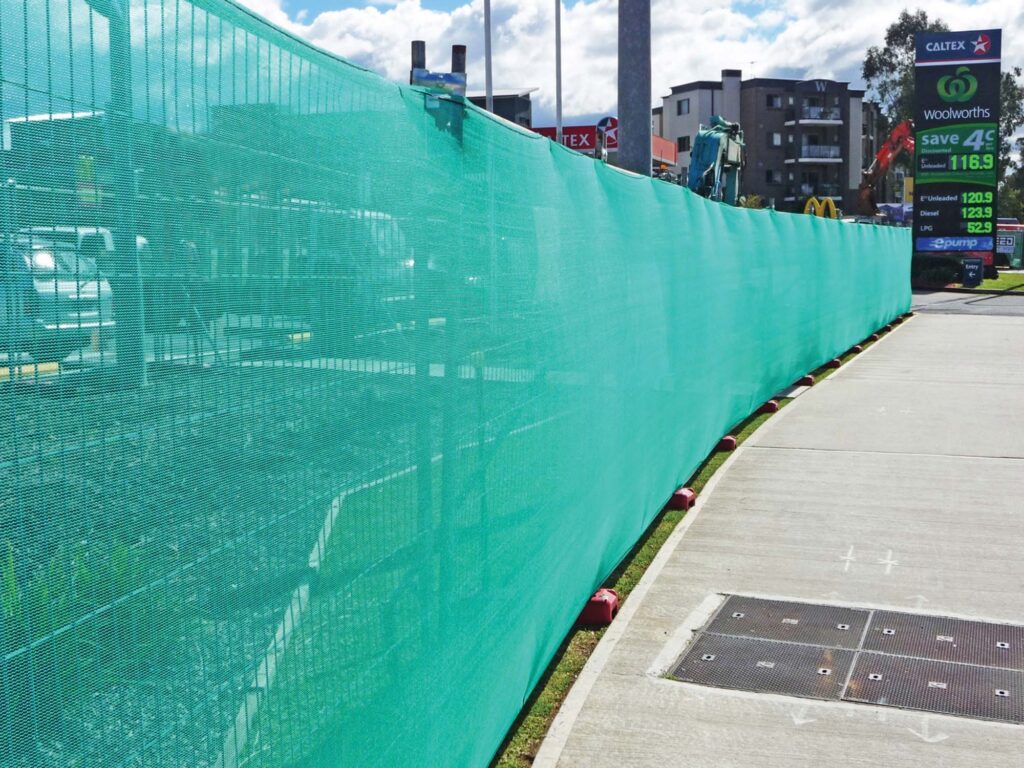
Does Glare Reduction Actually Minimise Worker Errors?
Intense sunlight creates blinding glare that forces workers to squint, strain their eyes, and struggle with depth perception. Scaffold shade cloth filters harsh rays whilst maintaining adequate lighting levels for precision tasks. Workers performing detailed operations—welding seams, reading blueprints, or operating machinery—benefit from consistent, diffused light that eliminates the sharp contrasts between shadowed and sun-exposed areas.
The impact on error rates proves substantial. Construction sites using 70-90% blockout shade cloth report fewer measurement mistakes, improved cutting accuracy, and reduced rework requirements. Eye strain diminishes significantly when workers aren’t constantly adjusting to changing light conditions as clouds pass or the sun shifts position.
Key visibility improvements include:
- Elimination of harsh shadows that obscure work surfaces
- Reduced need for protective eyewear adjustments throughout the day
- Better colour differentiation for material identification
- Enhanced ability to spot potential hazards or defects
Can Shade Cloth Provide Ventilation Improvement Without Sacrificing Protection?
The mesh structure of quality scaffold shade cloth allows continuous airflow whilst blocking harmful UV radiation. Unlike solid barriers that trap hot air and create stifling conditions, the woven HDPE fabric permits breezes to circulate through the workspace. This ventilation improvement prevents the greenhouse effect common under impermeable covers.
Workers experience cooler ambient temperatures without exposure to direct sunlight. The 50-70% blockout options offer optimal balance for sites requiring maximum airflow, whilst 90% blockout variants still permit sufficient air movement to prevent heat accumulation. This breathable protection means workers stay cooler than they would under solid tarps or inside unventilated enclosures.
The fabric’s permeability also prevents moisture build-up that leads to uncomfortable humidity levels. Sweat evaporates naturally, and condensation doesn’t form on work surfaces or tools. Sites in tropical or coastal regions particularly benefit from this moisture management capability.
How Does Scaffold Shade Cloth Protect Building Materials?
Scaffold shade cloth provides several protective benefits for building materials on construction sites. Here’s how it works:
1. Preventing Rust and Corrosion on Metal Components
Metal scaffolding, steel reinforcement bars, and construction equipment are constantly exposed to moisture and humidity. The waterproof properties of quality shade cloth prevent water from settling on these surfaces, eliminating the conditions necessary for oxidation. Sites using 90% blockout shade cloth report significantly lower instances of surface rust on stored materials compared to uncovered areas. The fabric’s moisture-resistant characteristics prove particularly valuable during extended construction timelines where materials remain exposed for weeks or months.
2. Blocking Dust and Debris Accumulation
Dust accumulation poses an additional threat to material quality, particularly for painted surfaces, glass panels, and precision components. The shade cloth barrier filters airborne particles, maintaining cleaner work surfaces and reducing the need for pre-installation cleaning. This protection proves essential in urban environments where construction dust, vehicle emissions, and industrial pollutants would otherwise compromise material surfaces.
3. Shielding Against Extreme Weather Conditions
Weather damage protection extends beyond simple rain coverage. Scaffold shade cloth defends materials against:
- Intense UV radiation that degrades plastics, fades painted surfaces, and weakens adhesives
- Hail and wind-driven debris that can crack glass, dent metal cladding, or damage delicate fixtures
- Temperature extremes that cause expansion, contraction, and warping in timber and composite materials
- Snow and ice accumulation that adds excessive weight and moisture to stored materials
Timber framing and composite materials prove especially vulnerable to warping when exposed to rapid temperature fluctuations. The shade cloth moderates these temperature swings, maintaining more consistent conditions that preserve dimensional stability. Construction sites in coastal regions benefit from the cloth’s ability to reduce salt spray exposure, which accelerates corrosion on metal components and degrades concrete surfaces.
4. Reducing Weather-Related Work Delays
By protecting building materials from weather-related damage, scaffold shade cloth helps minimise work delays caused by repairs or replacements. When materials remain in optimal condition throughout the construction process, projects can stay on schedule and avoid costly setbacks.
In summary, scaffold shade cloth acts as a versatile shield for building materials against various threats such as moisture, dust, UV radiation, hail, temperature extremes, and snow accumulation. Its ability to create a controlled environment for stored materials contributes to their longevity and ensures high-quality outcomes in construction projects.
What Are the Key Installation and Maintenance Practices for Scaffold Shade Cloth?
Proper installation begins with securing the shade cloth at regular 500mm intervals along all scaffold edges and support points. This systematic attachment pattern distributes wind loads evenly across the fabric, preventing stress concentration points that could lead to tearing or failure. Use heavy-duty cable ties, bungee cords, or purpose-designed scaffold clips rated for outdoor construction environments. The attachment points should penetrate reinforced edge hems rather than the main fabric body to maximise structural integrity.
Maintaining Optimal Tension
Tension management separates professional installations from problematic ones. The fabric must remain taut enough to resist wind-induced flapping whilst allowing slight flexibility during gusts. Loose shade cloth creates a whipping effect that accelerates wear, generates excessive noise, and poses safety risks to workers below. Check tension immediately after installation and again within 24 hours, as new fabric often stretches slightly during initial exposure to environmental conditions.
Installation guidelines scaffold cloth recommend using tensioning devices at corner points and mid-span locations on large installations. These adjustable fixtures allow quick tension corrections without removing and reinstalling the entire cloth. For multi-storey scaffolding, work from bottom to top when installing, ensuring each level achieves proper tension before proceeding upward.
Securing Against Wind Forces
High-wind scenarios demand additional securing measures beyond standard interval attachments. Install intermediate support lines across large unsupported spans to prevent billowing and reduce wind load on primary attachment points. In coastal or exposed locations where wind speeds regularly exceed 60 km/h, reduce attachment intervals to 300-400mm and consider double-layering fixings at critical stress points.
Anti-flap straps running vertically at 2-3 metre intervals provide supplementary wind resistance without restricting airflow. These straps connect the shade cloth directly to vertical scaffold standards, creating multiple anchor points that stabilise the fabric during gusty conditions.
Routine Inspection Protocols
Maintenance scaffold fabric durability requires quarterly inspections at minimum, with additional checks following severe weather events. Examine all attachment points for loosening, corrosion, or material fatigue. UV-degraded cable ties become brittle and snap unexpectedly, so replace any showing discolouration
How Does Scaffold Shade Cloth Support Compliance with Safety Regulations?
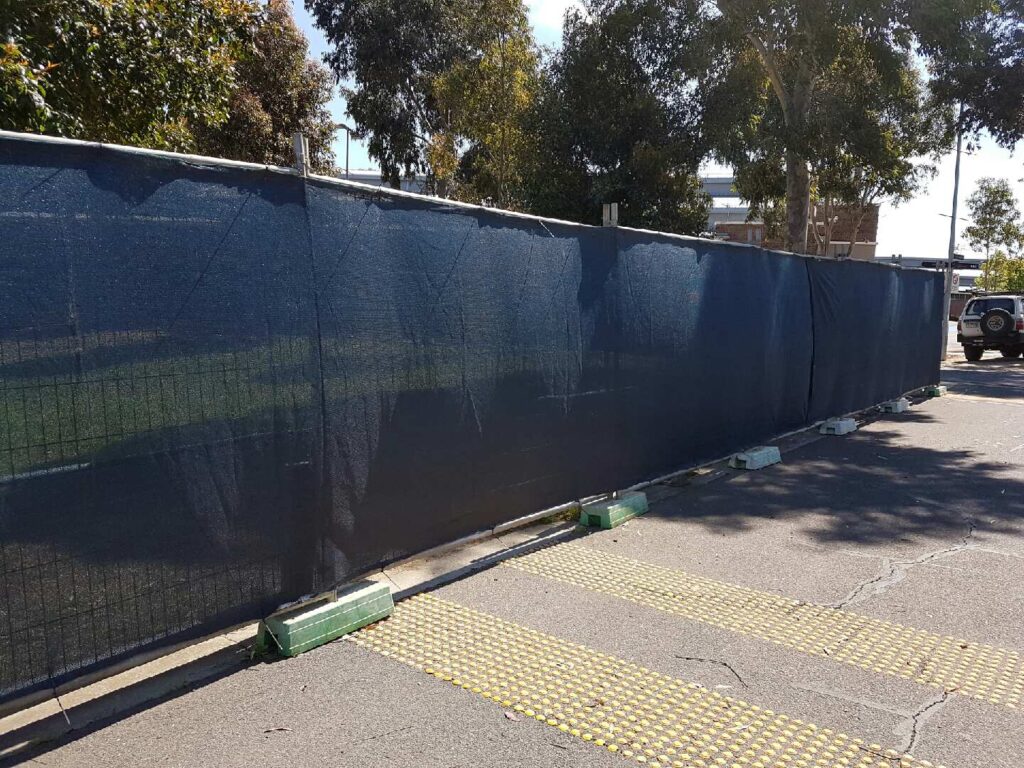
Scaffold shade cloth helps construction sites meet mandatory safety compliance requirements by adhering to fire retardant standards, occupational health regulations, and workplace safety protocols. Quality shade cloth certified to AS 4389 ensures legal compliance whilst protecting workers from environmental hazards.
Meeting Fire Safety Standards
Fire retardant scaffold shade cloth certified to AS 4389 provides essential protection against fire hazards on construction sites. The standard requires materials to self-extinguish within specific timeframes when exposed to flames, preventing fire spread across scaffolding structures.
Construction sites using non-compliant materials face significant legal risks:
- Potential fines and penalties from regulatory authorities
- Liability exposure in case of fire-related incidents
- Project shutdowns until compliant materials are installed
- Insurance claim rejections for non-compliant installations
Certified shade cloth also resists molten metal splatter during welding and hot works, meeting additional safety requirements for sites involving high-temperature operations. This certification demonstrates due diligence in protecting workers and satisfying regulatory standards construction sites must uphold.
Adhering to Occupational Health Regulations
Safety compliance scaffold cloth directly addresses occupational health regulations concerning heat exposure and UV protection. Work health and safety legislation requires employers to minimise risks from environmental hazards, including excessive heat and solar radiation.
Scaffold shade cloth that blocks 70-90% of solar radiation helps sites comply with heat stress management requirements. By reducing ambient temperatures up to 15°C, it creates working conditions that meet acceptable thermal comfort standards. This protection becomes critical during summer months when heat-related illnesses pose serious risks to worker health.
UV protection compliance is equally important. Prolonged exposure to ultraviolet radiation causes skin damage and increases cancer risks. Quality shade cloth provides measurable UV blockage, helping employers fulfil their duty of care obligations:
- Documented protection levels demonstrate proactive risk management
- Quantifiable temperature reduction supports heat stress prevention programmes
- UV blockage percentages provide evidence of adequate sun protection measures
Sites implementing proper shade solutions show regulatory bodies they take worker welfare seriously, reducing the likelihood of compliance violations and associated penalties.
Minimising Project Delays Through Regulatory Compliance
Non-compliance with safety regulations creates costly project delays
See Also: Scaffold Netting Installation How to Prevent Wind Damage on Site.
FAQs About Scaffold Shade Cloth
Scaffold shade cloth is a protective mesh fabric installed on scaffolding structures to shield workers and materials from sun, wind, dust, and debris. It helps improve safety, comfort, and productivity on construction sites while maintaining proper airflow.
The cloth blocks and reflects solar radiation before it reaches workers or metal scaffolding components. By intercepting heat energy, it can reduce on-site temperatures by up to 15°C, helping prevent heat stress and other heat-related health issues.
Most scaffold shade cloths are made from high-density polyethylene (HDPE) — a lightweight, UV-stabilised, and tear-resistant material. It’s durable in harsh conditions, resistant to chemicals and mould, and designed to maintain performance under constant sun exposure.
Blockout percentages (such as 50%, 70%, or 90%) represent how much sunlight or solar radiation the cloth blocks.
50%: Moderate protection with maximum airflow.
70%: Balanced protection and breathability.
90%: Maximum shade and UV defence for extreme sun conditions.
Yes. Quality shade cloth can block up to 95% of harmful UV rays, reducing the risk of skin cancer, sunburn, and eye strain for outdoor workers—especially important under Australia’s intense sunlight.
Fire retardant scaffold shade cloth should comply with AS 4389, an Australian safety standard that ensures the material self-extinguishes when exposed to flames. This prevents fire spread across scaffolding and helps sites meet legal compliance requirements.
