
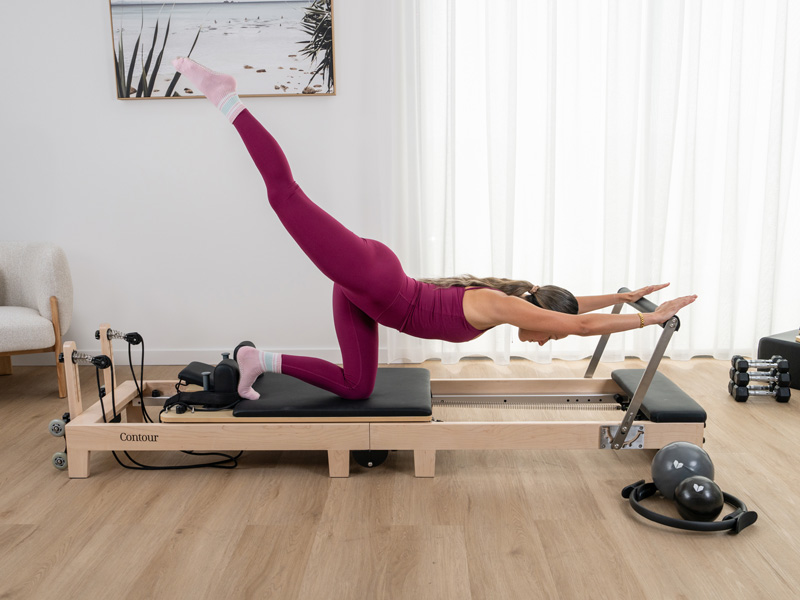

This guide explains exactly what to measure in an Australian home or studio, and how to record it so installers and couriers can do their job smoothly.
What measurements matter most before a Pilates bed arrives?
They need three sets of numbers: the room size, the equipment footprint, and the clearance zone for safe use. In most cases, the clearance is what people underestimate, especially if the Pilates bed will be used daily.
They should write down length, width, and ceiling height, then add doorways, hallways, and turning points the Pilates bed must pass through.
How do they measure the room accurately?
They should measure wall to wall at floor level, then measure again at about hip height if the room has skirting boards, pillars, or built in cabinetry. Older Australian homes can have slightly out of square rooms, so two measurements help.
They can use a tape measure, but a laser measure is faster and reduces errors. They should record everything in millimetres to match most Pilates bed specs.
What size should they expect a Pilates bed to be?
A Pilates bed varies by brand and model, but it is typically around 2.3 to 2.5 metres long and roughly 0.6 to 0.8 metres wide. Some models have larger frames, wider carriages, or extended platforms that change the footprint.
They should not guess. They should check the exact Pilates bed product sheet, including whether any legs, risers, towers, or platforms ship attached.
How much clearance does a Pilates bed need for safe use?
They should plan clearance on all sides so the user can mount, dismount, adjust springs, and move safely. A practical baseline is at least 600 mm on each long side and at least 900 mm at one end for entry, coaching, or loading.
If it is for a studio setting, they may want more space so an instructor can walk around the Pilates bed and cue clients properly.
Should they measure ceiling height too?
Yes, ceiling height matters, especially if the Pilates bed has a tower, vertical frame, or if exercises involve raised arms, straps, or standing work. Australian ceilings vary a lot between apartments and houses, so they should measure from floor to ceiling at multiple points.
They should also check for ceiling fans, pendant lights, air con bulkheads, and smoke alarms above the Pilates bed zone.
How do they measure doorways for delivery day?
They should measure the clear opening width and height, not the door panel size. That means measuring from the narrowest points, including the inside of the frame and any handles that protrude.
If the Pilates bed must pass through internal doors, they should measure those too. Many Australian internal doors are narrower than front doors, and that can be where the Pilates bed gets stuck.
What about hallways, corners, and tight turns?
They should measure hallway widths, then check any 90 degree turns by measuring the diagonal clearance at the corner. A long Pilates bed frame may need more turning space than expected, especially in apartments or terraces.
They should also note obstacles like console tables, wall hooks, and picture frames. Small items can become big problems when manoeuvring a Pilates bed through a tight corridor.
Do lifts and stairwells need measuring as well?
Yes, if it is an apartment, they should measure lift door width, lift cabin depth, and the height. Many Australian apartment lifts are fine for people but tight for long freight.
For stairs, they should measure stair width, landing depth, and head clearance. They should also consider whether the Pilates bed arrives boxed, semi assembled, or fully assembled, because the box dimensions can be larger than the Pilates bed itself.
How can they check whether the Pilates bed will fit through the access path?
They should map the full route from the street to the final room, then compare every pinch point against the largest package dimension. The key is to treat the Pilates bed like a rigid rectangle that cannot bend around corners.
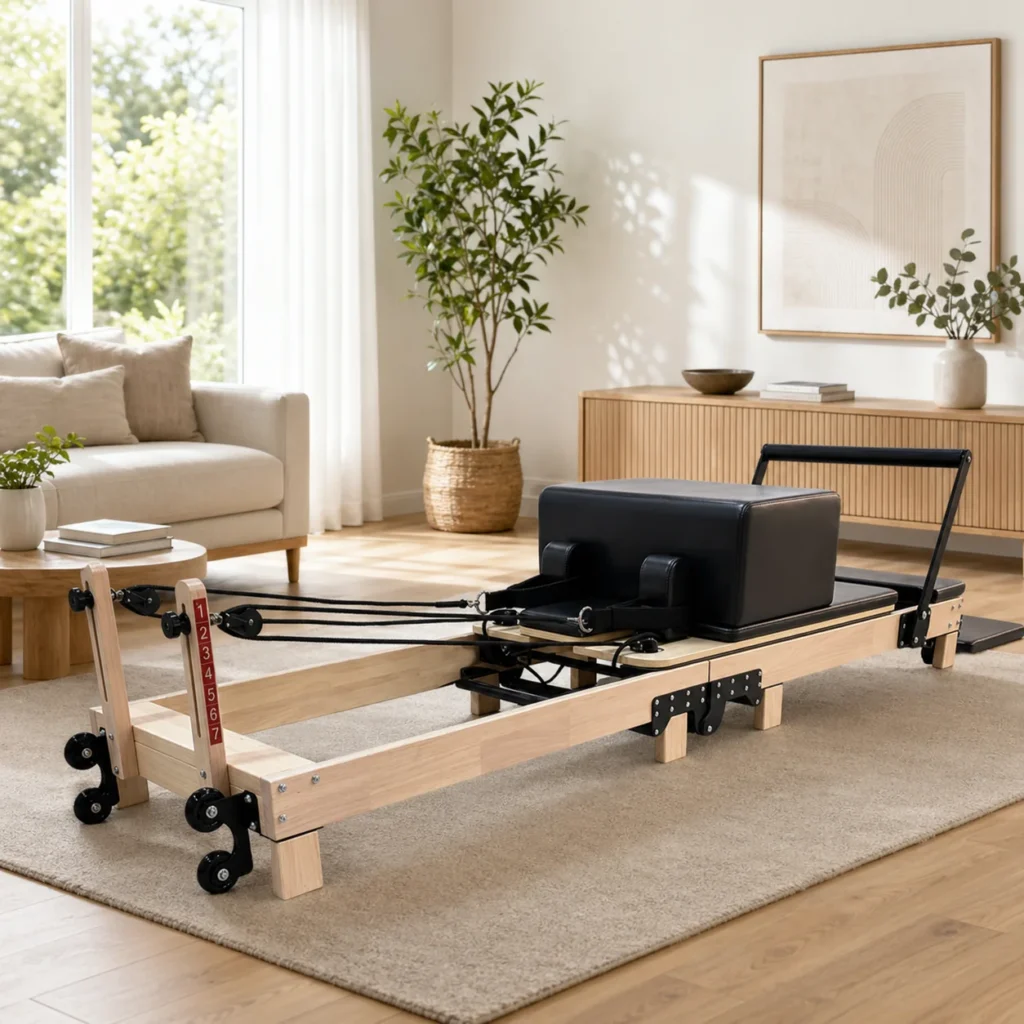
If the supplier provides carton sizes, they should use those numbers. If not, they should ask, because Pilates reformer equipment is often shipped in cartons that need to fit through the available space, not the Pilates bed alone.
Where should they position the Pilates bed in the room?
They should place it where there is consistent clearance, easy access, and minimal trip hazards. In an Australian home, that often means away from sliding doors, wet areas, and high traffic paths.
They should also consider light and ventilation, especially if the Pilates bed will be used in summer. If the room is carpeted, they may want to confirm whether the Pilates bed needs a protective mat or a stable base.
How do they account for skirting boards, power points, and wall features?
They should check whether the Pilates bed frame will sit flush against the wall or if skirting boards push it forward. Even a 15 mm skirting can change the usable clearance on the other side.
They should also look at power points, data ports, and switches. If accessories like a tower or resistance add ons are used, cables and straps should not rub against sharp edges or protrusions near the Pilates bed.
Should they measure for user comfort as well as fit?
Yes, because a Pilates bed that technically fits can still feel cramped. They should ensure there is comfortable walking space around it, plus room to store small props like rings, blocks, and bands.
If two people will use the Pilates bed in the same session, they should allow extra space for passing and cueing. This matters in smaller Australian spare rooms and converted garages.
What’s the best way to record and share measurements?
They should draw a quick floor plan with wall lengths, door swings, window locations, and the proposed Pilates bed position. A simple sketch on paper is fine, but a note in their phone with clear labels works too.
They should take photos of doorways and hallways with a tape measure visible. If the courier or installer asks questions, those photos can save time and avoid a failed delivery of the Pilates bed.
What common mistakes cause delivery or setup problems?
The most common mistake is measuring the room but not the route. Another is forgetting that packaging can be bigger than the Pilates bed, especially if it is double boxed or crated.
They also often forget height limits, like apartment lift ceilings or low carpark entries. In Australian strata buildings, they may need booking times, loading bay rules, or lift protection before the Pilates bed arrives.
When should they contact the supplier or installer?
They should contact the supplier as soon as they have measurements that look tight. It is easier to plan for partial assembly, alternate entry, or extra labour before the Pilates bed is on a truck.
They should ask for exact carton dimensions, total weight, and whether the Pilates bed can be carried in sections. If the brand offers white glove delivery in Australia, they should confirm what that includes.
What final checks should they do the day before the Pilates bed arrives?
They should clear the route, remove fragile items, and prop doors open. If they are in an apartment, they should confirm lift bookings, loading zone access, and visitor parking for the delivery vehicle.
They should also prepare the floor area, especially if the Pilates bed will sit on timber, vinyl, or carpet. A clean, flat surface helps the frame sit evenly and reduces rocking.
How can they be confident the Pilates bed will fit without stress?
They can be confident by measuring the room, the access path, and the clearance zone, then comparing those numbers to the exact product and carton specs. If any dimension is close, they should assume it will not work and plan an alternative.
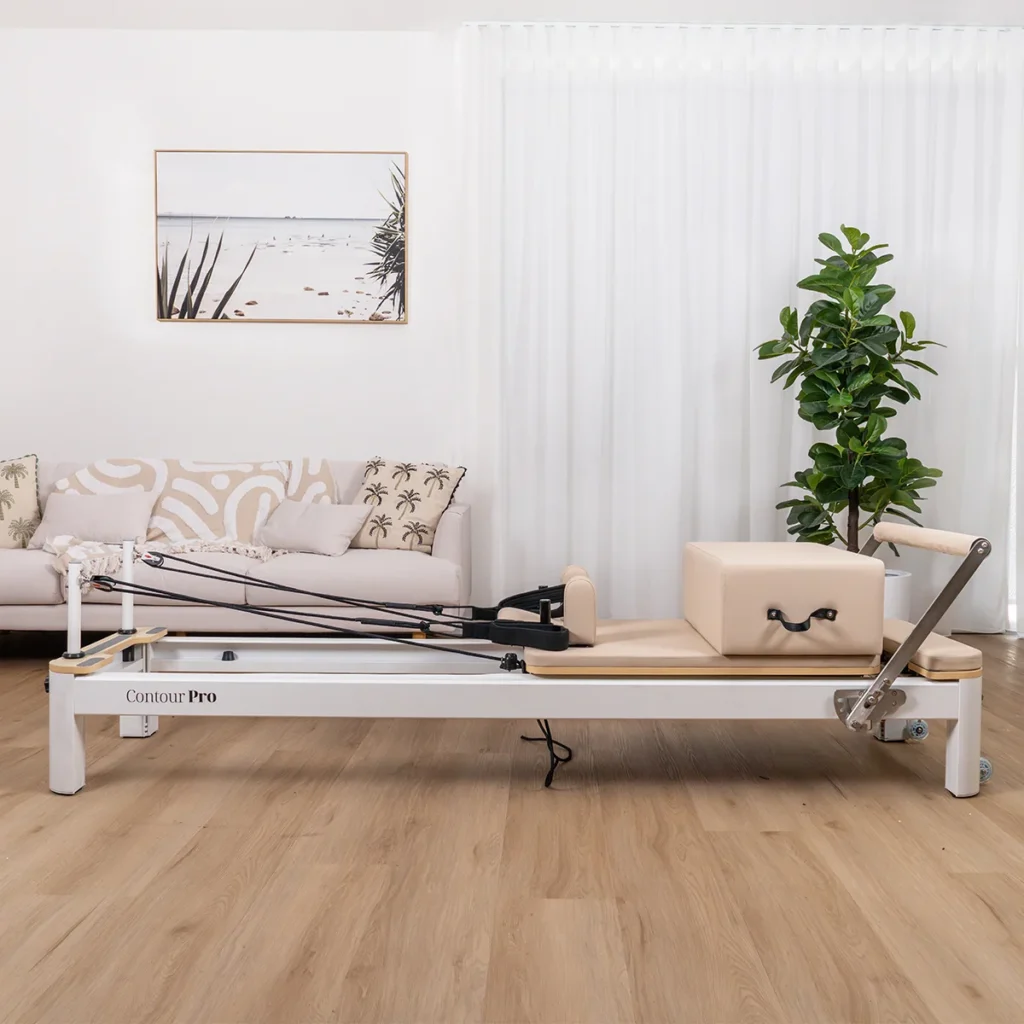
Done properly, the Pilates bed arrives, moves in cleanly, and sets up without awkward surprises, which is exactly what they want for such a major purchase.
FAQs (Frequently Asked Questions)
What are the essential measurements to take before a Pilates bed arrives?
Before a Pilates bed arrives, you need to measure three key areas: the room size (length, width, and ceiling height), the equipment footprint, and the clearance zone for safe use. Additionally, measure doorways, hallways, and turning points the bed must pass through to ensure smooth delivery and installation.
How should I accurately measure my room for a Pilates bed installation?
Measure wall to wall at floor level and again at about hip height if your room has skirting boards or built-in cabinetry. This accounts for out-of-square rooms common in older Australian homes. Use a tape measure or laser measure for accuracy, and record all measurements in millimetres to match Pilates bed specifications.
What clearance space is recommended around a Pilates bed for safe and comfortable use?
A practical baseline is at least 600 mm of clearance on each long side of the Pilates bed and at least 900 mm at one end for easy entry, coaching, or loading. For studio settings, additional space may be needed to allow instructors to move freely around clients during sessions.
Why is measuring ceiling height important when preparing for a Pilates bed?
Ceiling height matters especially if your Pilates bed includes a tower or vertical frame, or if exercises involve raised arms, straps, or standing work. Measure floor to ceiling at multiple points to account for variations and check for any overhead obstacles like ceiling fans or air conditioning bulkheads.
How do I ensure my Pilates bed will fit through doorways and access paths on delivery day?
Measure the clear opening width and height of all doors along the delivery path, including internal doors which may be narrower than front doors. Also measure hallway widths, corners with diagonal clearance, stairwells, lifts (door width and cabin size), and note any obstacles such as furniture or wall fixtures that might impede movement.
Where is the best place to position a Pilates bed in an Australian home or studio?
Place the Pilates bed where there is consistent clearance on all sides, easy access without trip hazards, away from sliding doors or wet areas, and where light and ventilation are adequate. Consider flooring type—if carpeted, check if a protective mat is needed—and ensure power points or wall features don’t interfere with accessories or cables.
<script type="application/ld+json">
{
  "@context": "https://schema.org",
  "@type": "BlogPosting",
  "mainEntityOfPage": {
    "@type": "WebPage",
    "@id": "https://bestsmarthometrends.com/how-do-you-measure-a-room-before-a-pilates-bed-arrives/"
  },
  "headline": "How Do You Measure a Room Before a Pilates Bed Arrives?",
  "image": [
    "https://bestsmarthometrends.com/wp-content/uploads/2026/08/LFRF-CONTPROB_media-09_7f394947-3ce5-4984-bc6a-6e0e1147d49f-1.webp",
    "https://bestsmarthometrends.com/wp-content/uploads/2026/08/livara-pilates-home-lifestyle-square-1.webp",
    "https://bestsmarthometrends.com/wp-content/uploads/2026/08/19ccf047-0438-4ad6-a8e4-55c8c6eeab21.__CR00800600_PT0_SX800_V1___.jpg"
  ],
  "author": {
    "@type": "",
    "name": "Madeleine Hateley",
    "url": "https://bestsmarthometrends.com/author/admin/"
  },
  "publisher": {
    "@type": "Organization",
    "name": "Best Smart Home Trends",
    "logo": {
      "@type": "ImageObject",
      "url": "https://bestsmarthometrends.com/wp-content/uploads/2024/05/cropped-New-logo-2.png"
    }
  },
  "datePublished": ""
}
</script>