
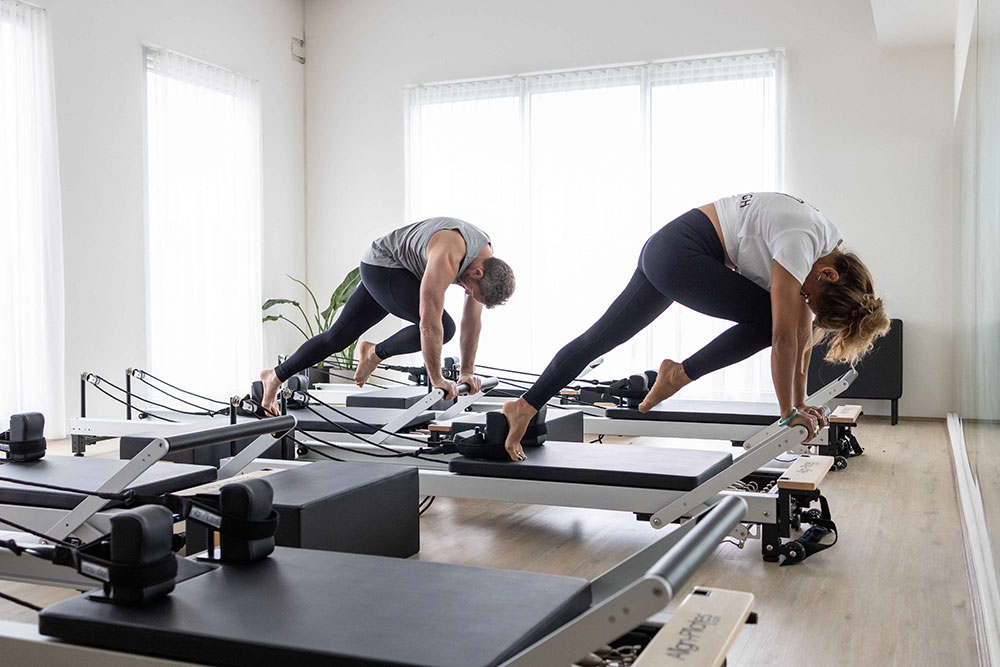

This guide breaks down what each part does, how it changes the feel of an exercise, and what they should check before they start.
What is a Pilates reformer bed, and why do these parts matter?
A Pilates reformer bed is a moving carriage on rails, powered by spring resistance, guided by ropes and controlled by a footbar or other attachments. These parts matter because they set the load, range, and setup, which directly affects safety and results.
In Australian studios, instructors often cue spring changes and footbar positions quickly. Knowing the basics helps them follow along without guessing.
What do springs do on a Pilates reformer bed?
Springs provide adjustable resistance on a Pilates reformer bed, like changing gears on a bike. More spring tension usually means more support and more load, while less tension demands more control and stability.
Springs also affect speed. A heavier setting can feel smoother and steadier, while a lighter setting can feel quicker and more wobbly if they rush.
How do they choose the right spring tension?
They choose spring tension based on the exercise goal, their body control, and the cueing style of the instructor. Heavier springs often suit strength-focused moves, standing work, and footwork, while lighter springs can suit abdominal work, long-stretch style movements, and balance challenges.
In Australia, spring colours vary by brand and studio. They should follow the studio’s spring chart, not assume that “red equals heavy” everywhere.
What are common spring mistakes to avoid?
The most common mistake is using too little tension and losing carriage control, which can cause jolting, slipping, or pulling through the shoulders. Another common error is going too heavy and turning a controlled movement into a pushing contest.
They should also avoid changing springs while the carriage is under load. In most studios, they are taught to dock the carriage safely first, then adjust.
What are ropes and straps, and what do they control?
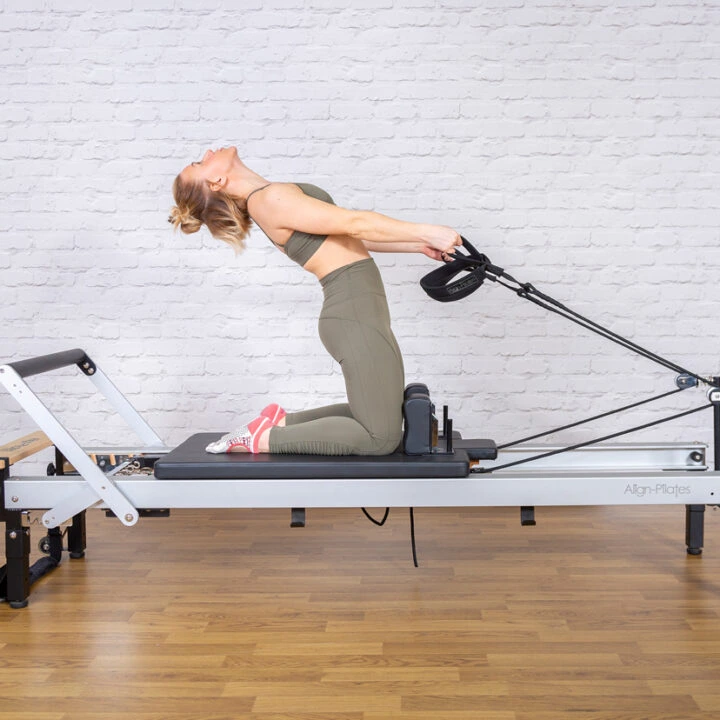
Ropes connect the carriage to the pulleys and straps, letting them pull with the arms or press with the legs while the carriage moves. On a Pilates reformer bed, ropes mainly control exercise length, symmetry, and the feel of tension through the range.
Straps determine the contact point. Handles suit many upper-body sequences, while loops can support feet for leg arcs, frogs, and short spine style movements.
How do they adjust rope length correctly?
Correct rope length keeps both sides even and matches their body size, so they are not twisting or reaching. If one rope is shorter, it can make one shoulder hike or one hip work harder, especially during arm pulls or feet-in-straps work.
Many Australian studios set ropes to a standard length for group classes. If they are taller, shorter, or rehabbing, they should ask an instructor to check the settings.
What happens if ropes are uneven or too long?
Uneven ropes can quietly create rotation through the ribs and pelvis, even when they think they are moving straight. Ropes that are too long may reduce control, cause slack at the wrong time, or encourage shrugging during arm work.
If they feel one strap “arrive” earlier than the other, that is often a setup issue. On a Pilates reformer bed, setup problems can look like form problems, so it is worth checking before blaming strength or flexibility.
What is the footbar and why is it so important?
The footbar is the main pushing surface for feet, and sometimes hands, on a Pilates reformer bed. It sets joint angles, changes how much the hips and ankles flex, and affects whether they feel stable or cramped.
Footbar position also changes exercise intent. A higher bar can suit deeper knee bend and more supported footwork, while a lower bar can increase range and demand more hamstring and glute control.
How do different footbar heights change footwork?
A higher footbar usually allows more knee bend at the start, which can feel comfortable for beginners or anyone with limited ankle mobility. A lower footbar increases the stretch at the bottom and may load the posterior chain more strongly.
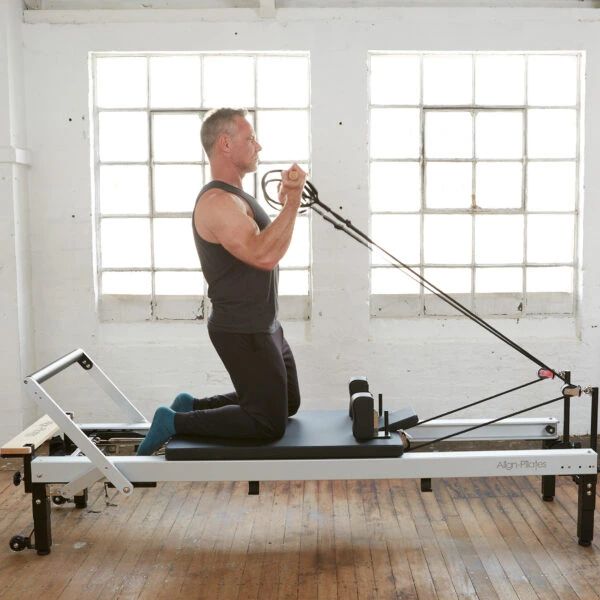
In Australian group classes, footbar height is often cued as “high, middle, low.” They should measure room for Pilates bed before setup and match the cue to their machine, because brands label positions differently on a Pilates reformer bed.
When should the footbar be up, down, or flat?
Footbar “up” is common for footwork, bridging variations, and many beginner sequences because it provides a clear, stable target. Footbar “down” or lowered often suits long stretch, plank-like series, and movements needing more carriage room.
Some reformers have a flat or dropped setting for specific choreography. They should only use it if the instructor cues it, because clearance and shoulder load can change fast on a Pilates reformer bed.
How do springs, ropes and footbars work together in real exercises?
They work together like a system: springs set resistance, ropes guide direction and length, and the footbar sets leverage and joint angles. Changing just one element can completely change how an exercise feels, even if the movement looks the same.
For example, footwork with heavier springs can feel grounded and strong, while footwork with lighter springs can feel unstable and faster. Adding a higher footbar can reduce ankle demand, while a lower bar can increase stretch and hamstring involvement.
What should they check before starting a class or session?
They should check that the springs are fully attached, the ropes are even, the straps are not twisted, and the footbar is locked. On a Pilates reformer bed, small setup errors can become big issues once the carriage starts moving.
They should also check the carriage is not creeping. If it moves when they step on, the stopper, springs, or docking position may need adjustment by staff.
How can they stay safe when changing springs or footbar positions?
They can stay safe by keeping one hand on the carriage when making changes, so it does not shoot away unexpectedly. They should change springs with the carriage closed and stable, then re-check that each spring is properly clipped.
For the footbar, they should confirm it is fully engaged in its notch. In many Australian studios, instructors will cue “test the bar” before loading it, which is a good habit on any Pilates reformer bed.
What cues help them know the setup is right?
A good setup often feels quiet: the carriage moves smoothly, both straps feel the same, and they can keep ribs and pelvis steady without gripping. If they hear banging, feel sudden slack, or notice one side working harder, something may need adjusting.
They should also notice breathing. If they cannot breathe evenly, the load may be too heavy or the range too big, especially for their current level on a Pilates reformer bed.
How do Australian studios differ in equipment and setup?
Australian studios often mix brands, including Balanced Body, Merrithew, and boutique reformers with different spring colours and footbar systems. That means the same cue can look different across machines, even within the same suburb.
They should not rely on assumptions from social media. A Pilates reformer bed in Sydney may not match one in Perth, so it is smart to ask how that studio labels spring strength and footbar positions.
What is the simplest way for beginners to remember it all?
They can remember one rule: springs change load, ropes change length and symmetry, and the footbar changes leverage. If anything feels off, they should pause and check those three before pushing through.
When they learn these basics, the Pilates reformer bed stops feeling like a machine they must “figure out” and starts feeling like a tool they can use confidently.
FAQs (Frequently Asked Questions)
What is a Pilates reformer bed and why are its parts important?
A Pilates reformer bed is a moving carriage on rails powered by spring resistance, guided by ropes, and controlled by a footbar or other attachments. These parts matter because they set the load, range, and setup, directly affecting safety and workout results. Understanding them helps users follow instructor cues quickly and exercise with confidence.
How do springs affect exercises on a Pilates reformer bed?
Springs provide adjustable resistance similar to changing gears on a bike. More spring tension offers greater support and load, making movements smoother and steadier, while less tension demands more control and stability but can feel quicker or wobbly if rushed. Springs also influence the speed and feel of each exercise.
How should I choose the right spring tension for my Pilates reformer workout?
Spring tension selection depends on your exercise goals, body control, and instructor cueing style. Heavier springs suit strength-focused moves, standing work, and footwork; lighter springs fit abdominal work, long-stretch movements, and balance challenges. Since spring colors vary across Australian studios and brands, always follow your studio’s specific spring chart.
What common mistakes should I avoid when using springs on a Pilates reformer bed?
Avoid using too little tension which can cause loss of carriage control leading to jolting or slipping. Also, don’t use overly heavy springs that turn controlled movements into pushing contests. Never change springs while the carriage is under load; always dock the carriage safely before adjusting springs to ensure safety.
How do ropes and straps function on a Pilates reformer bed?
Ropes connect the carriage to pulleys and straps allowing you to pull with arms or press with legs as the carriage moves. They control exercise length, symmetry, and tension feel throughout the movement range. Straps determine contact points; handles suit many upper-body exercises while loops support feet for leg arcs, frogs, and short spine movements.
Why is correct rope length important and how do I adjust it properly?
Correct rope length ensures both sides are even and suited to your body size to prevent twisting or uneven muscle engagement. Uneven ropes can cause rotation through ribs and pelvis or uneven workload during arm pulls or feet-in-straps exercises. Many studios set standard lengths for group classes but taller, shorter, or rehabilitating individuals should ask instructors to check settings for optimal alignment.
<script type="application/ld+json">
{
  "@context": "https://schema.org",
  "@type": "BlogPosting",
  "mainEntityOfPage": {
    "@type": "WebPage",
    "@id": "https://bestsmarthometrends.com/springs-ropes-and-footbars-explained-on-a-pilates-reformer-bed/"
  },
  "headline": "Springs, Ropes and Footbars Explained on a Pilates Reformer Bed",
  "image": [
    "https://bestsmarthometrends.com/wp-content/uploads/2026/08/PAPROPESCRC_2-600x600-1.webp",
    "https://bestsmarthometrends.com/wp-content/uploads/2026/08/PAPSTRAPDLS-3-720x720.jpg.webp",
    "https://bestsmarthometrends.com/wp-content/uploads/2026/08/MICANN2.jpg"
  ],
  "author": {
    "@type": "",
    "name": "Madeleine Hateley",
    "url": "https://bestsmarthometrends.com/author/admin/"
  },
  "publisher": {
    "@type": "Organization",
    "name": "Best Smart Home Trends",
    "logo": {
      "@type": "ImageObject",
      "url": "https://bestsmarthometrends.com/wp-content/uploads/2024/05/cropped-New-logo-2.png"
    }
  },
  "datePublished": ""
}
</script>