
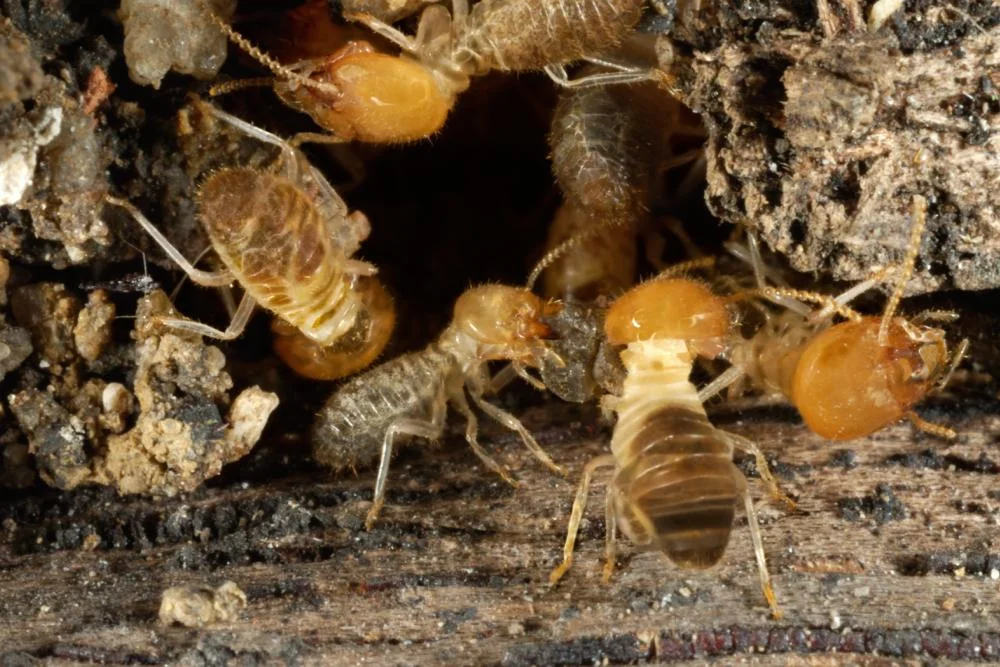

Should property buyers worry about termite activity in Sydney at all?
Yes, because termite risk is common across many Sydney suburbs, especially where there is moisture, gardens against walls, or older timber elements. Worry is useful only when it drives checks and documentation. A calm approach helps buyers focus on evidence, not assumptions, before they commit to a contract.
What does “Termite Barrier Sydney” actually mean in practice?
In most cases, Termite Barrier Sydney refers to a system intended to deter concealed termite entry into a building. It may be a physical barrier, a chemical treated zone, or a combination. It is not a promise that termites cannot appear, because termites can still access timber through bridging points or hidden moisture issues.
Is a termite barrier the same thing as termite protection?
No, it is only one layer. Termite Barrier Sydney solutions work best when paired with good drainage, ventilation, and ongoing inspections. A barrier can reduce risk, but it does not replace maintenance, smart landscaping, or fixing leaks. Buyers should treat “protection” as a plan, not a single product.
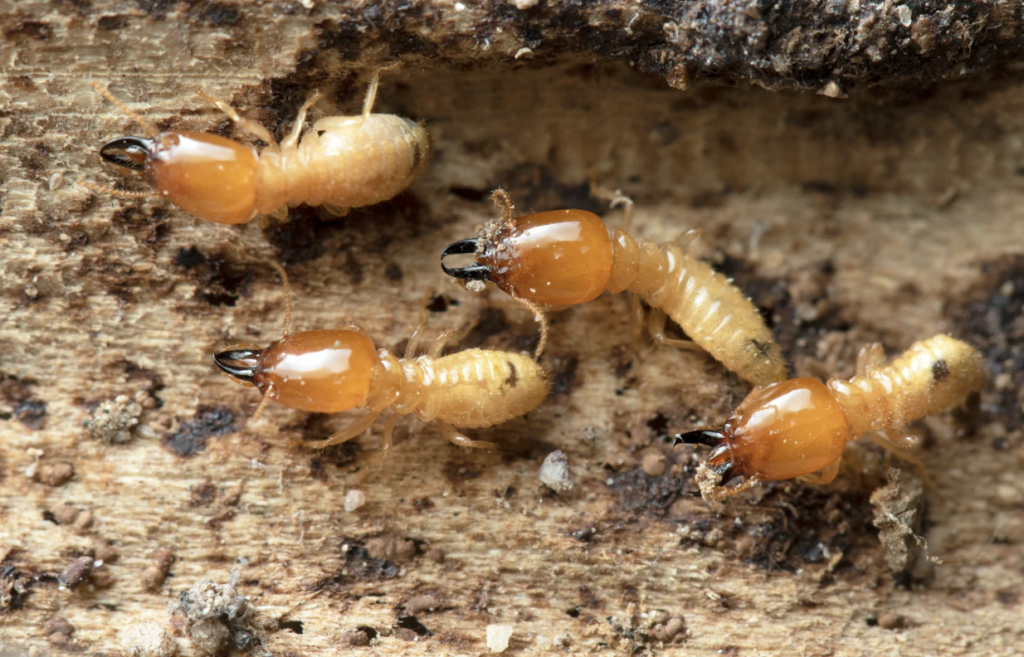
Which Sydney property types are most exposed to termite risk?
Homes with subfloors, older extensions, timber decks, and garden beds built up against external walls often face higher risk. Properties near bushland corridors, waterways, or areas with persistent dampness can also be more exposed. Even newer builds can be at risk if drainage and detailing are poor.
What kinds of termite barriers are commonly used in Sydney homes?
They may encounter chemical soil treatments, stainless steel mesh systems, graded stone barriers, or reticulation systems for replenishable chemicals. Termite Barrier Sydney installations vary by era and budget, so buyers should avoid assuming the type from a casual mention in marketing. The best step is confirming the system, its location, and its paperwork.
Does having Termite Barrier Sydney installed guarantee the house is safe?
No, because termites exploit gaps, bridging, and moisture problems. Termite Barrier Sydney measures can fail if garden edging covers weep holes, if paths are poured too high, or if renovations create concealed entry points. A barrier is more like a seatbelt than a force field. It lowers risk, but it does not eliminate it.
What documents should buyers ask for before trusting a barrier claim?
They should request the installation certificate, product details, warranty terms, and any inspection or service history. If the seller cannot provide records, buyers should treat the barrier as unverified. When Termite Barrier Sydney is documented properly, it is easier to confirm compliance and understand what maintenance is required.
Should a pest inspection still be ordered if a barrier exists?
Yes, because inspections identify current termite activity, existing damage, and environmental conditions that may increase the risk of future infestations. A qualified pest inspector can also assess whether the termite barrier appears intact or has been compromised through issues such as bridging. Termite prevention methods are most effective when inspections confirm that surrounding risk factors are being actively managed rather than overlooked.
What should buyers look for during a walk-through that hints at issues?
They should watch for tapping-sounding timber, sticking doors, unexplained bubbling paint, and excessive moisture smells. They should also note whether gardens touch walls, whether downpipes discharge poorly, and whether subfloor ventilation seems blocked. These conditions can undermine Termite Barrier Sydney performance by creating concealed, moist pathways.
How can landscaping and renovations accidentally defeat a barrier?
Garden beds built up over slab edges, stored timber against walls, and new paving can all bridge entry points. Bathroom or laundry renovations can introduce leaks that attract termites into hidden cavities. Even neat-looking upgrades can be risky if detailing is poor. Buyers should view Termite Barrier Sydney as a system that depends on the whole site staying termite-unfriendly.
Are new builds in Sydney automatically protected by termite standards?
They are often built to meet termite management requirements, but “meets a standard” is not the same as “problem-free.” Buyers should still confirm what was installed and how it is meant to be maintained. Termite Barrier Sydney on a new build may rely on conditions like clear inspection zones and correct drainage that can change after handover.
What questions should buyers ask the inspector or pest controller?
They should ask what barrier type is present, where the inspection zones are, and whether any bridging or moisture issues were observed. They should also ask what the recommended inspection frequency is for that property. When Termite Barrier Sydney is discussed in specific terms, buyers get actionable guidance rather than generic reassurance.
How often should termite inspections occur for Sydney properties?
Many professionals recommend scheduling inspections at least once a year, with more frequent checks in higher-risk areas or where previous termite activity has been identified. Changes in weather conditions, drainage, landscaping, and renovations can quickly alter risk levels around a property. Termite prevention and inspection tips can help homeowners understand why ongoing monitoring is essential, as early detection can prevent minor termite issues from developing into expensive structural repairs.
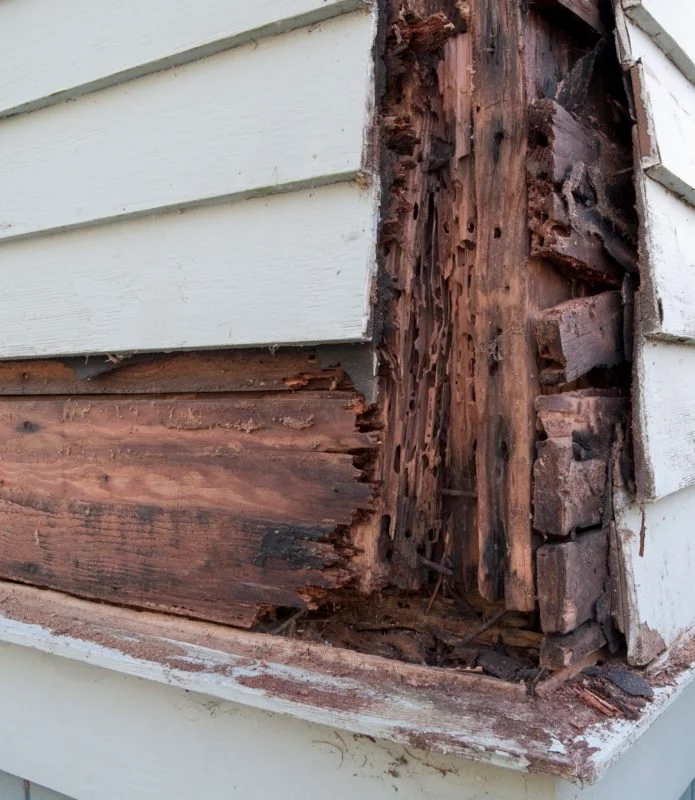
What is the smartest due-diligence approach before exchange in NSW?
They should order an independent timber pest inspection and combine it with a building inspection where possible. They should also review the contract and ask for barrier documentation early, not after they are emotionally committed. Termite Barrier Sydney is worth factoring into decision-making only when evidence supports it, including site conditions and maintenance history.
When should buyers walk away or renegotiate based on findings?
They should reconsider the purchase if the report identifies active termite activity, serious risk factors that cannot be easily addressed, or significant damage affecting the property’s structure. If the issues are manageable, buyers can negotiate based on estimated treatment and repair costs. A claim of Termite Barrier Sydney should never replace proper investigation, and following pre-purchase pest inspection tips can help buyers make decisions based on clear evidence of current risks and future maintenance needs.
What practical steps can new owners take right after settlement?
They should book a baseline inspection, clear inspection zones, fix leaks fast, and keep gardens and timber storage away from walls. They should also keep all paperwork in a property folder for future buyers and warranties. Termite Barrier Sydney works best when the owner treats it as an ongoing responsibility, not a one-time tick-box.
